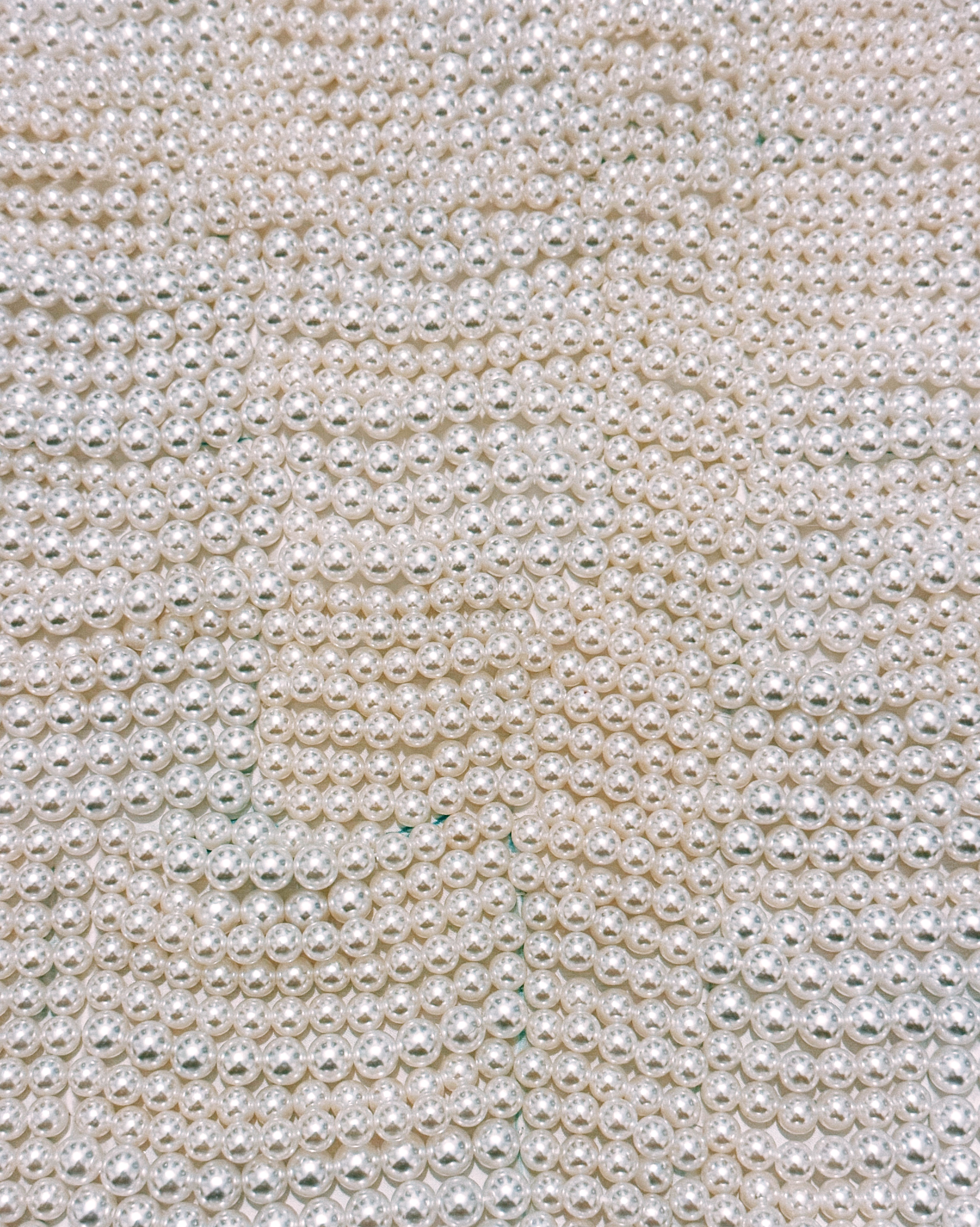
Edge of the Earth
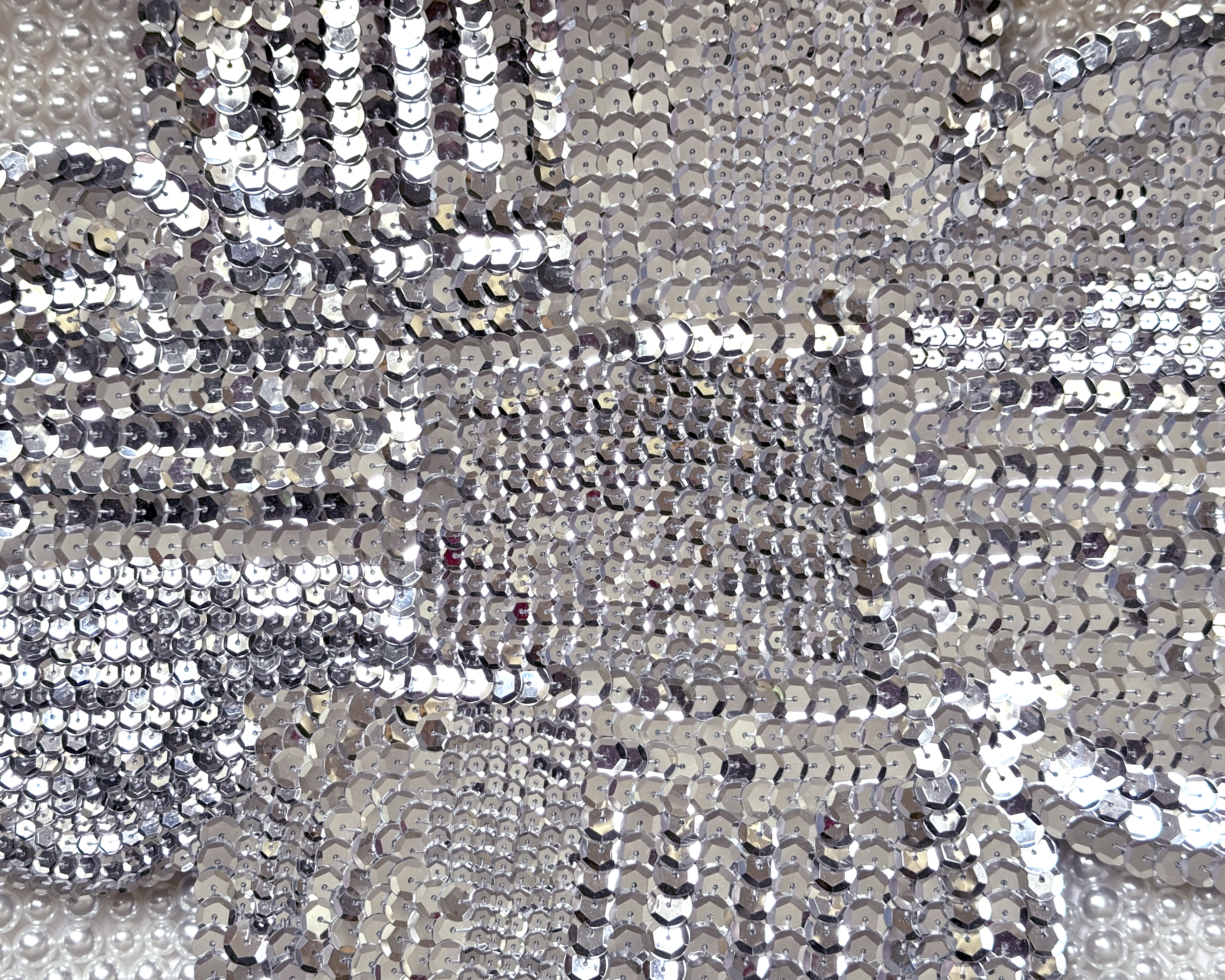
Everyday, temporary exhibition
Level 1 Gallery
Free Entry
5 June - 26 July 2026
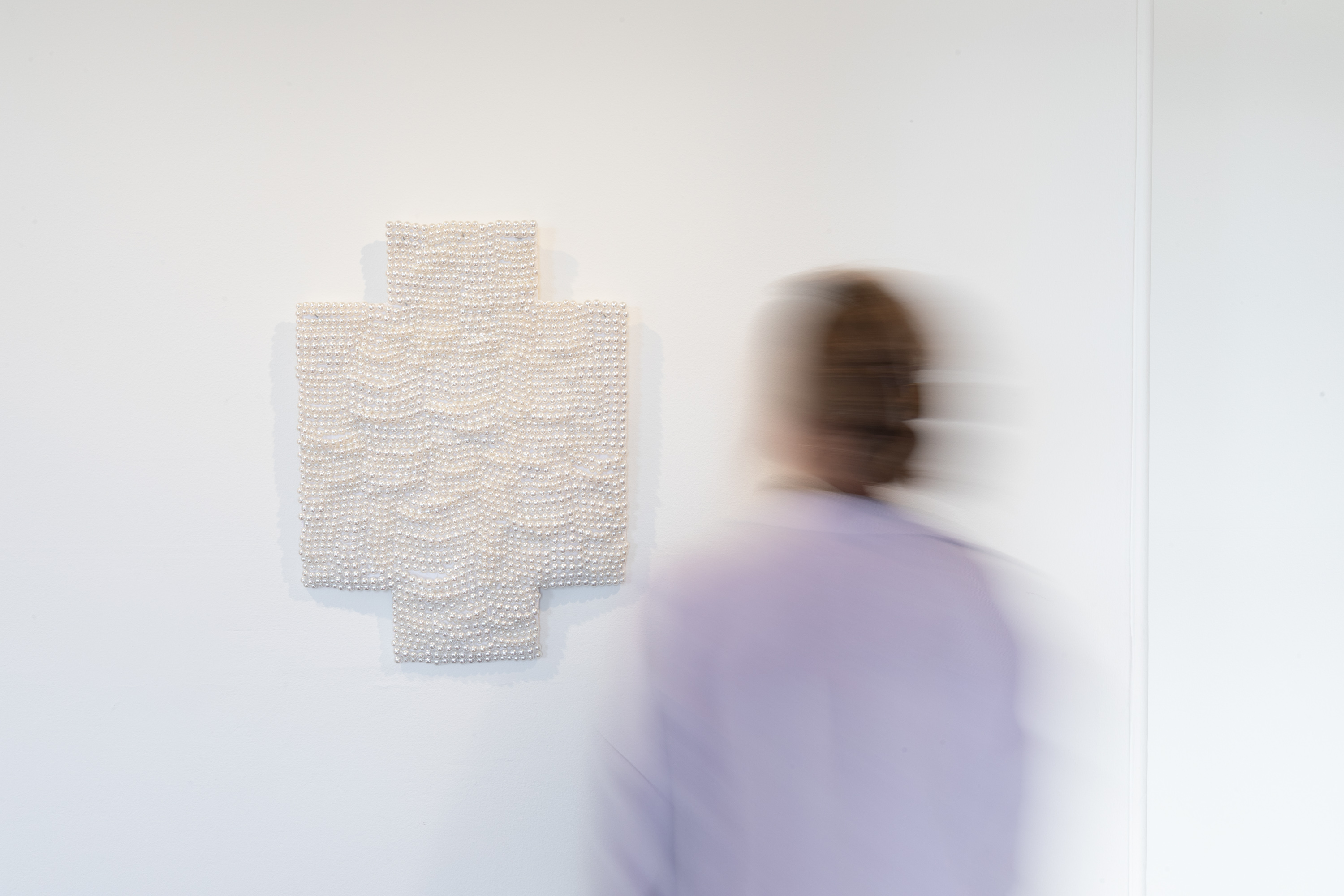
Edge of the Earth draws on pre-colonial European imaginings of Terra Australis Incognita, or the Unknown Southern Land, “waiting to be discovered” on the other side of the world.
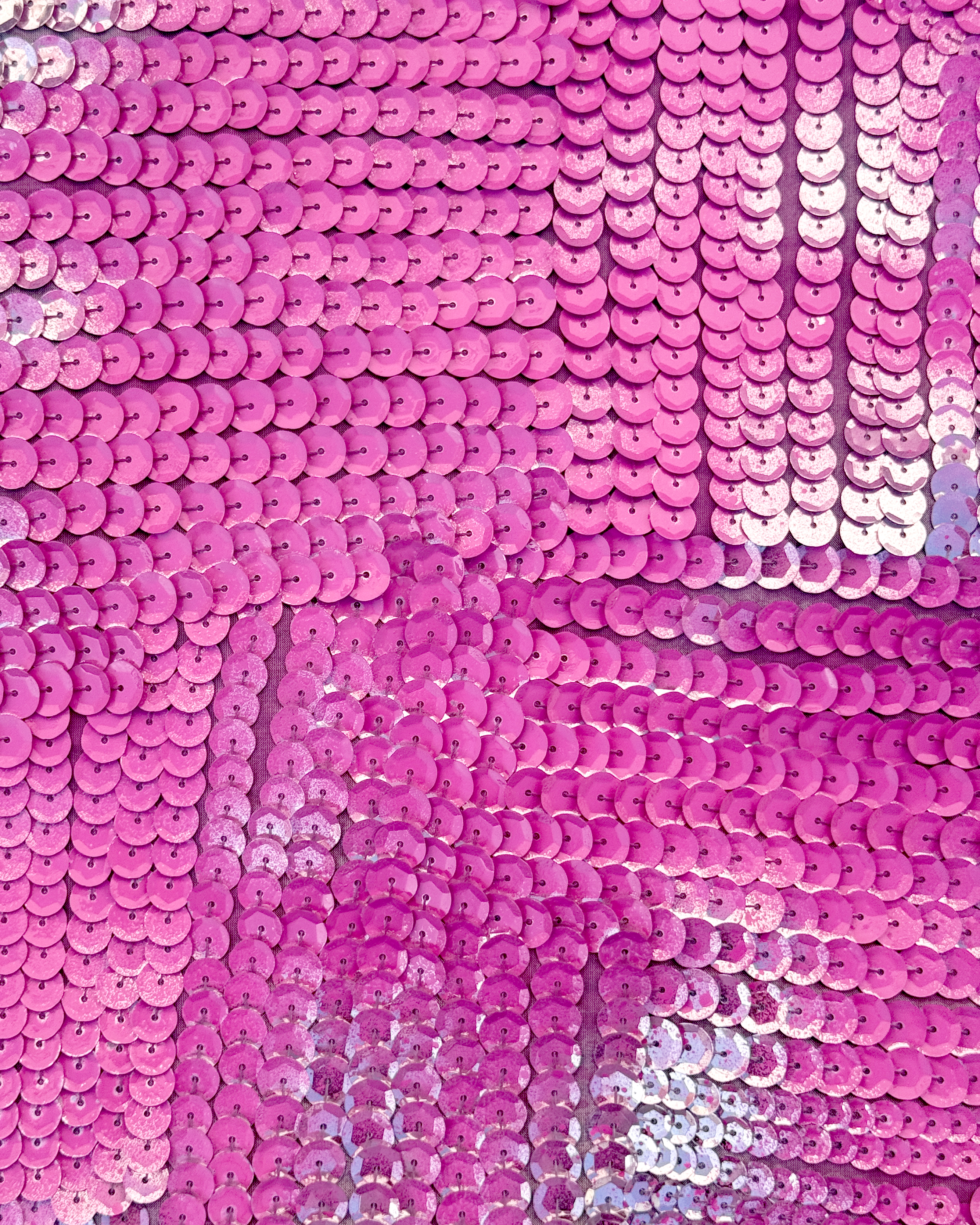
Terra Australis Incognita, or the Unknown Southern Land, existed quietly both in the European psyche and on the other side of the world, ‘waiting to be discovered’ for over two thousand years. Persistent throughout Classical, Medieval and Renaissance imaginings was a great, but as-yet-unknowable continent that lay within the farthest margins of the map. The idea was a geographical mirage, a fata morgana, for cartographers, cosmographers, philosophers, theologians and imperial thinkers. This landmass, they predicted, must exist to counterbalance the weight of the northern continents; it was a fantasy land defined by upside-down inversions and populated by fantastical creatures. Upon it they projected visions of a righteous utopia, commercial opportunity, and empirical and imperial might–a chance at a fresh start for the Old World in the New.
Thousands and thousands and thousands of years earlier, the country now known as Australia lay not just in the margins of the known world, but at the reverberating centre of a complexity of First Nations. Here it survives still, albeit forever changed by the imprint of Western fantasy and colonial violence. The Europeans came and stayed in 1788 and these fantasies drew the boldest from the coast, further into the interior of the continent in search of an imagined utopic centre. When they found not the promised “Mediterranean of the South” but red dust they returned to the shoreline, declaring the land hostile, mysterious and unknowable.
If the red centre is the middle of the edge, sparkling Gamay (Botany Bay) is the edge of the edge. Or the edge of the edge of the edge. It is the edge of the city, a designated margin land for cemeteries, prisons, encampments and hospitals for infectious diseases. It’s the edge of first contact for international air travellers, crude oil and imported goods. It’s the edge of first contact where Captain Cook and the First Fleet landed, the edge from where the blood was first spilled, the edge from where the pathogens and bureaucratic violence spread across the land.
87% of Australians live within 50 kilometres of the coast. Those of us from settler stock might be drawn towards the imagined centre still, but to turn our backs on the Global North would, it seems, be geo-social suicide. So we hedge our bets, standing on the shoreline with one eye looking inward, one eye looking out.
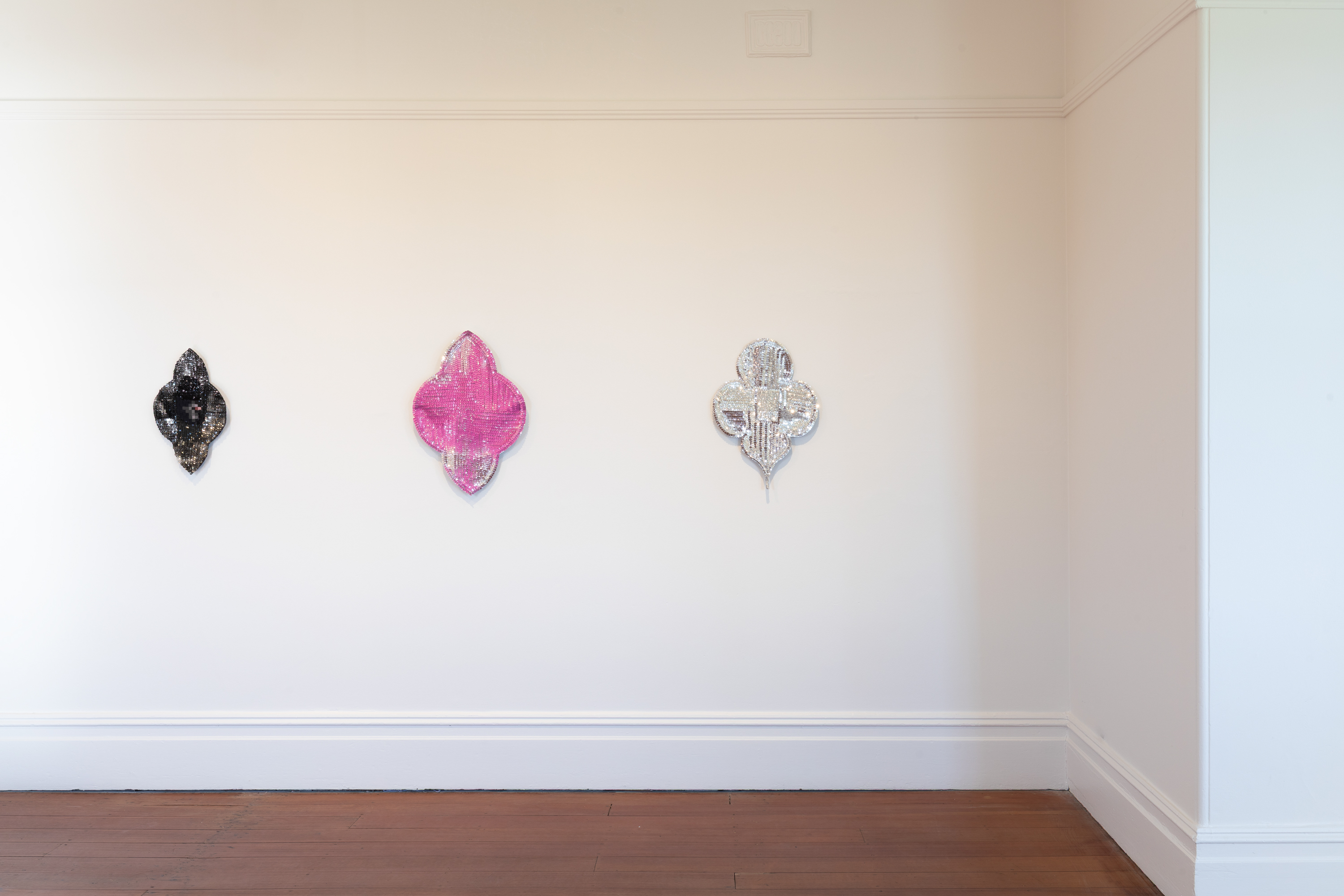
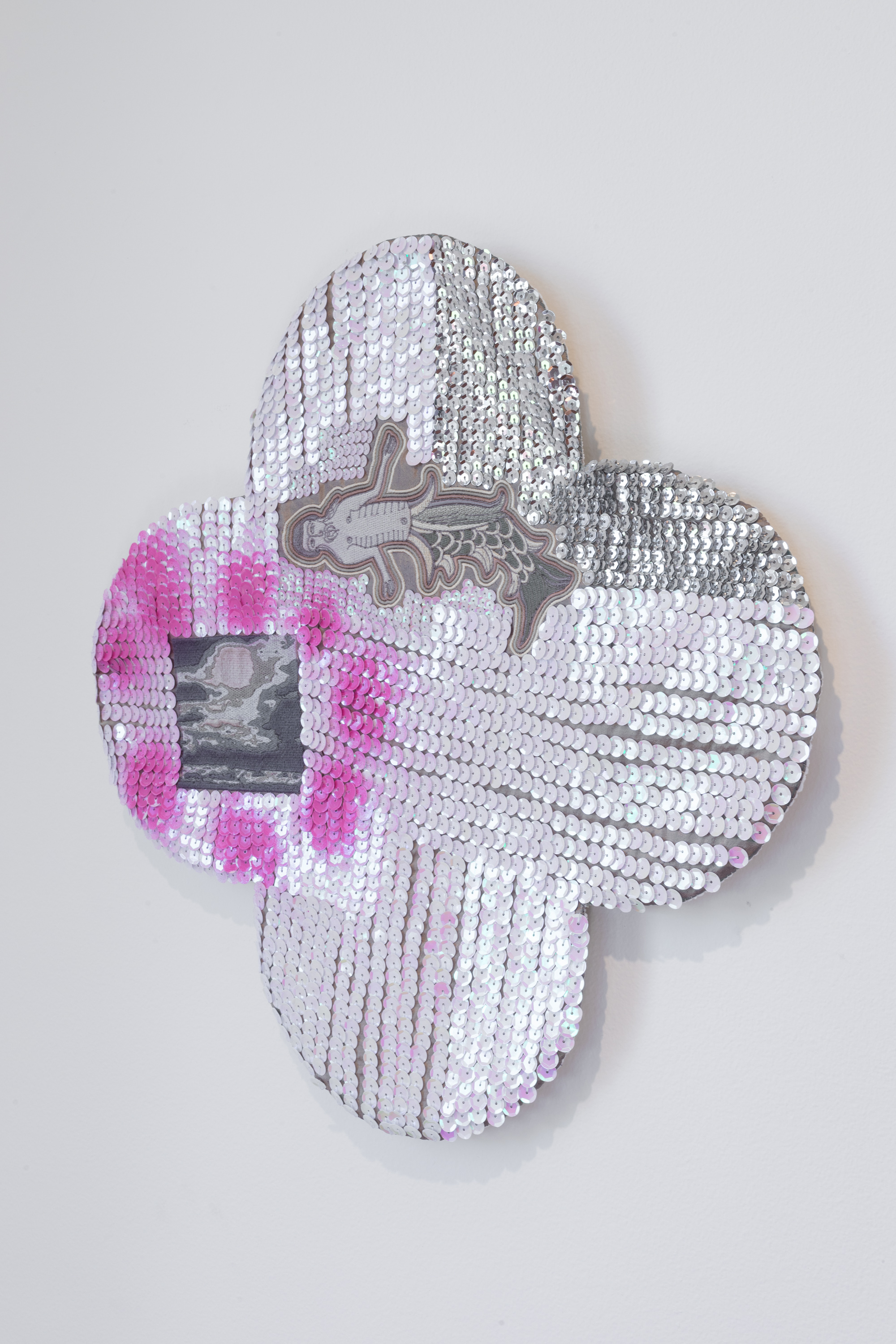
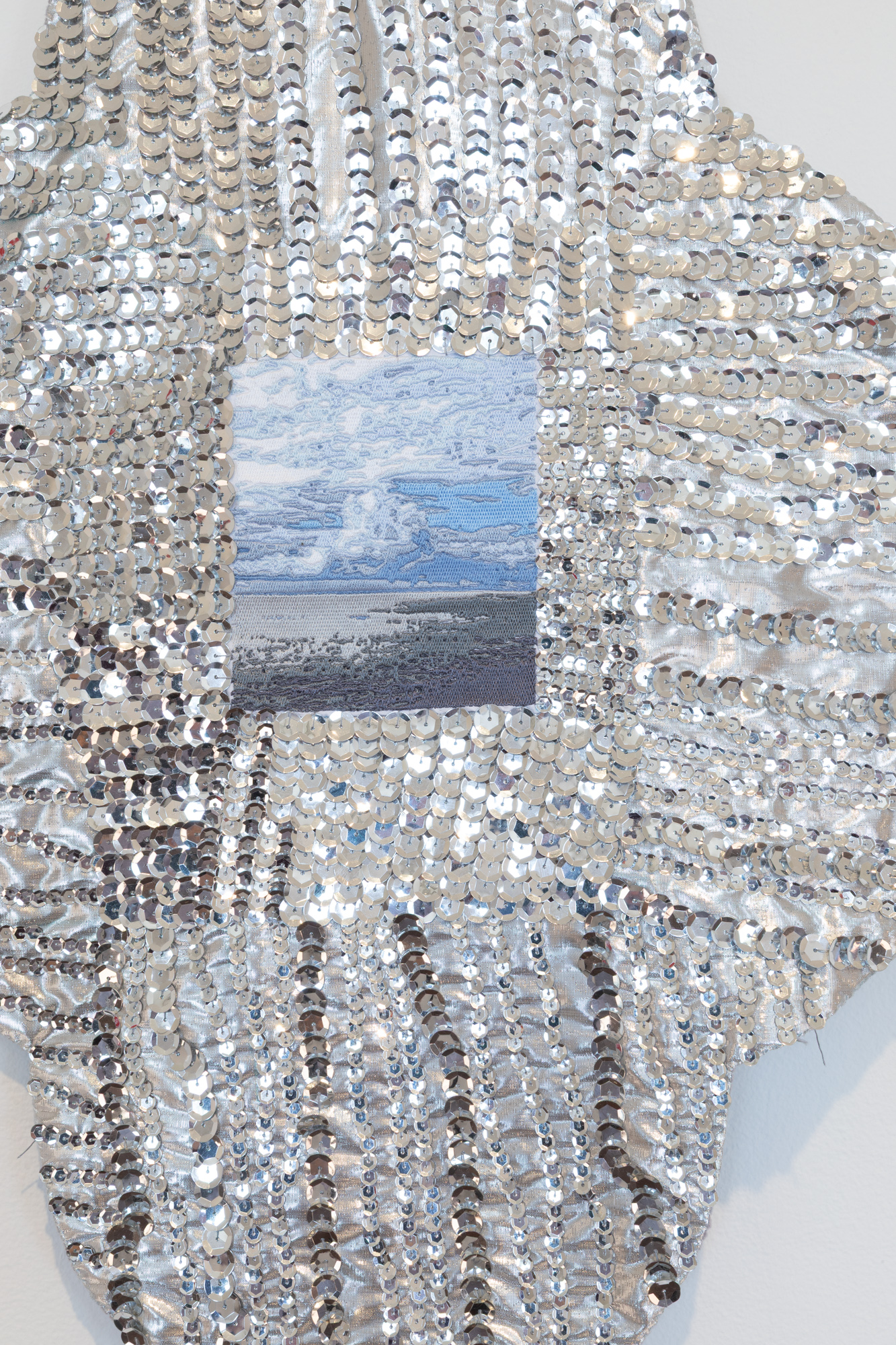
Edge of the Earth is a long squint through blinding maritime light, reflecting and refracting, scrambling up from down and north from south. It is a shimmer of an Australian feeling: that the centre of your world is an edgeland hovering just beyond the horizon.
- Anna Mould
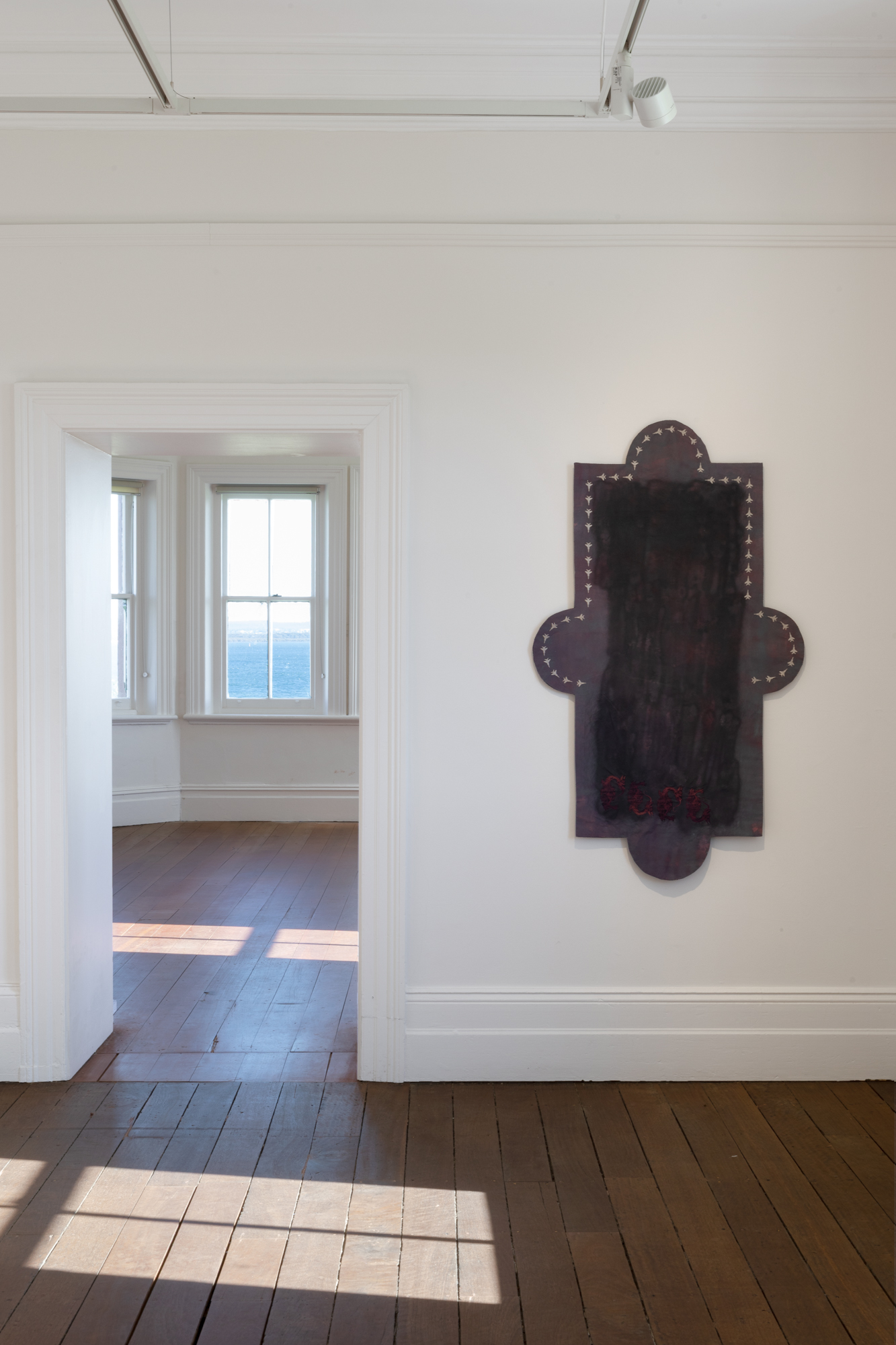
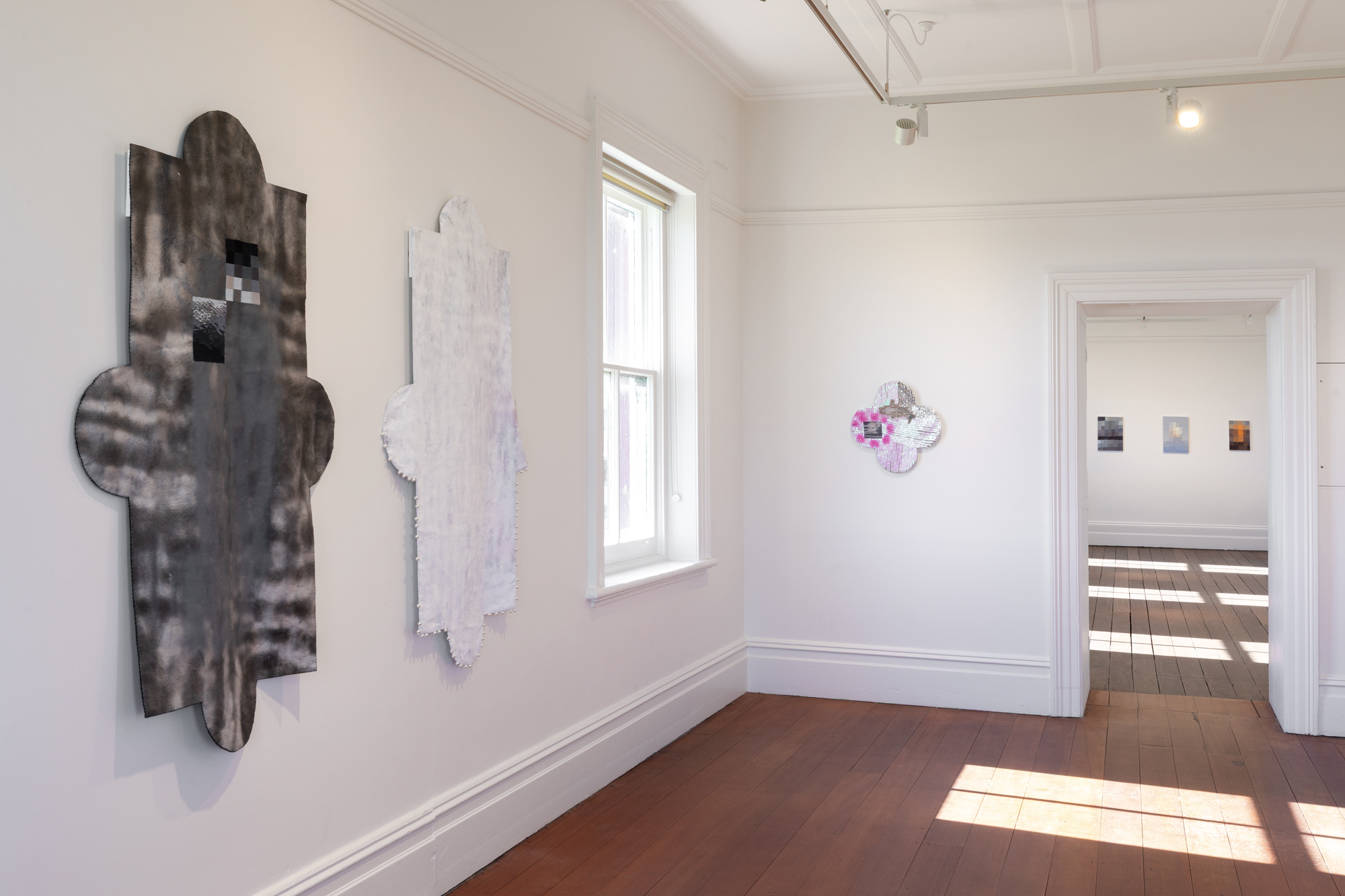
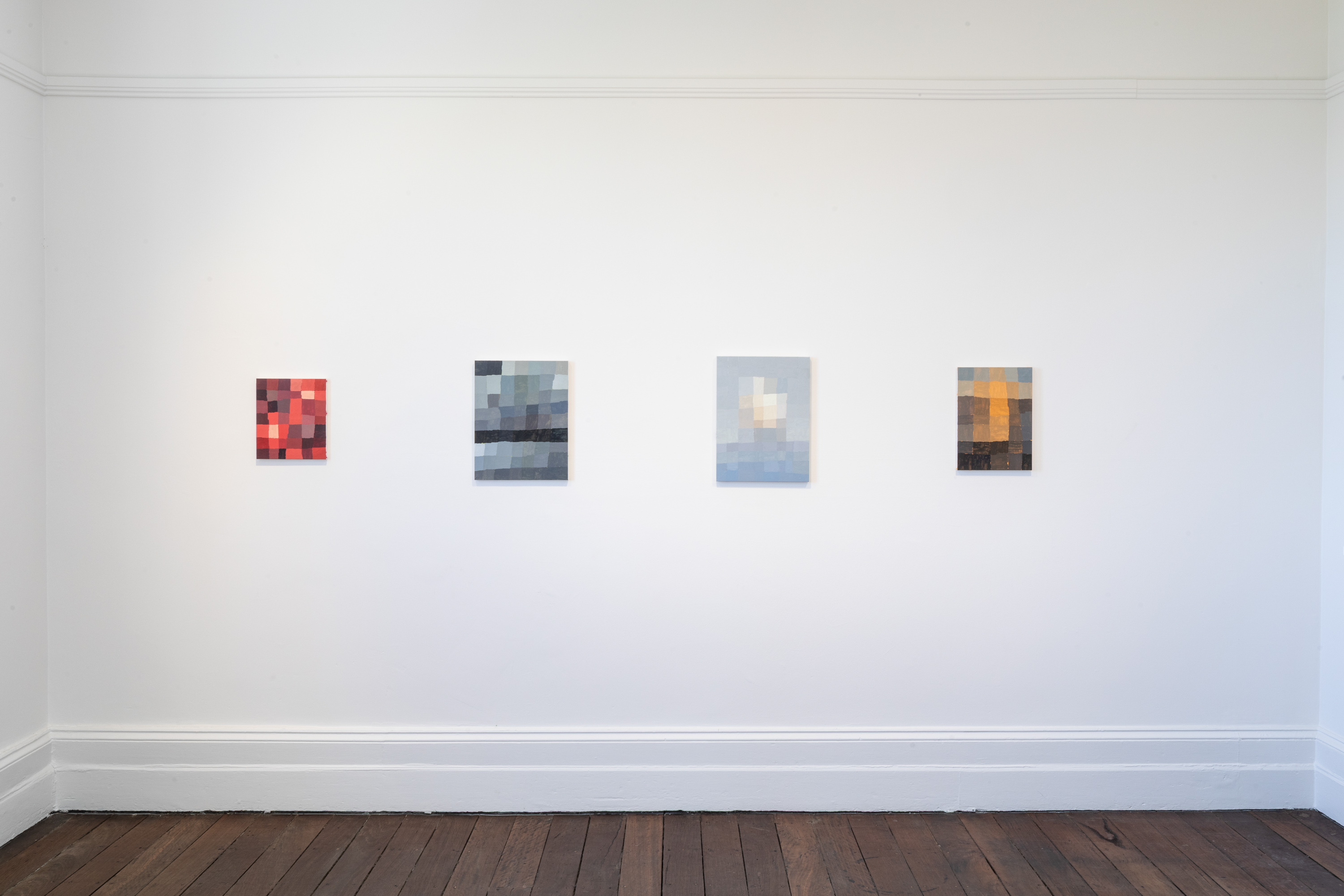
Anna Mould (b. 1986, Sydney) is a multidisciplinary artist living and working on Gadigal, Wangal and Dharug land in Sydney. She engages with painting, drawing, photography, and textile work to explore complex social and political themes. Anna has been a finalist in the Archibald Prize, the Dobell Drawing Prize, the Ravenswood Australian Women’s Art Prize, and is the inaugural recipient of the Prudence MacLeod Prize comprising a 6-month residency at Acme Studios in London, UK. Anna holds a Bachelor of Fine Art majoring in painting (2021) and a Master of Fine Art (2023) from National Art School, Sydney.