Everyday, permanent collection
Collection Galleries, ground floor
Free Entry
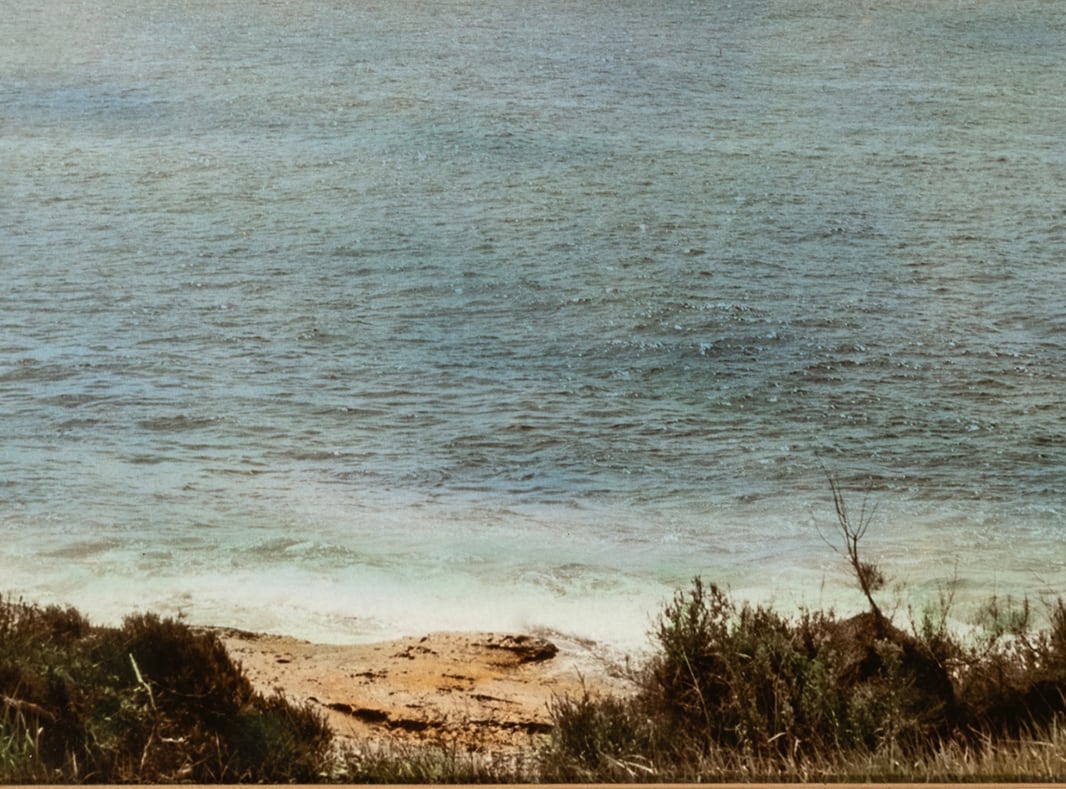
Nearshore refers to the coastline of Guriwal/La Perouse - a place shaped by the meeting and movement of many forces.
When the La Perouse Museum opened in 1988 as part of Australia’s bicentennial celebrations, displays consisted mainly of loans from Musée de la Marine, donations from private collectors and contemporary works commissioned by Lapérouse Association for the Australian Bicentenary (LAAB). The inaugural exhibition had a particular focus on the story of the French navigator Jean-François de Galaup, comte de Lapérouse. Since then, the Museum’s collection has expanded greatly in scope and diversity.
Our collections reflect the multifaceted history of Guriwal/La Perouse: from early contact between First Peoples and Europeans in the late 1700s to its role as an Aboriginal reserve and Protestant mission. The site hosted important Indigenous protests and Invasion Day concerts since 1992, served as an unemployment camp in the 1930s and a migrant camp after WWII, and was where Australia’s first submarine cable to New Zealand landed in 1876. The museum is housed in an 1882 cable station that later sheltered soldiers and vulnerable residents, while the area supported market gardens and tram services for decades.
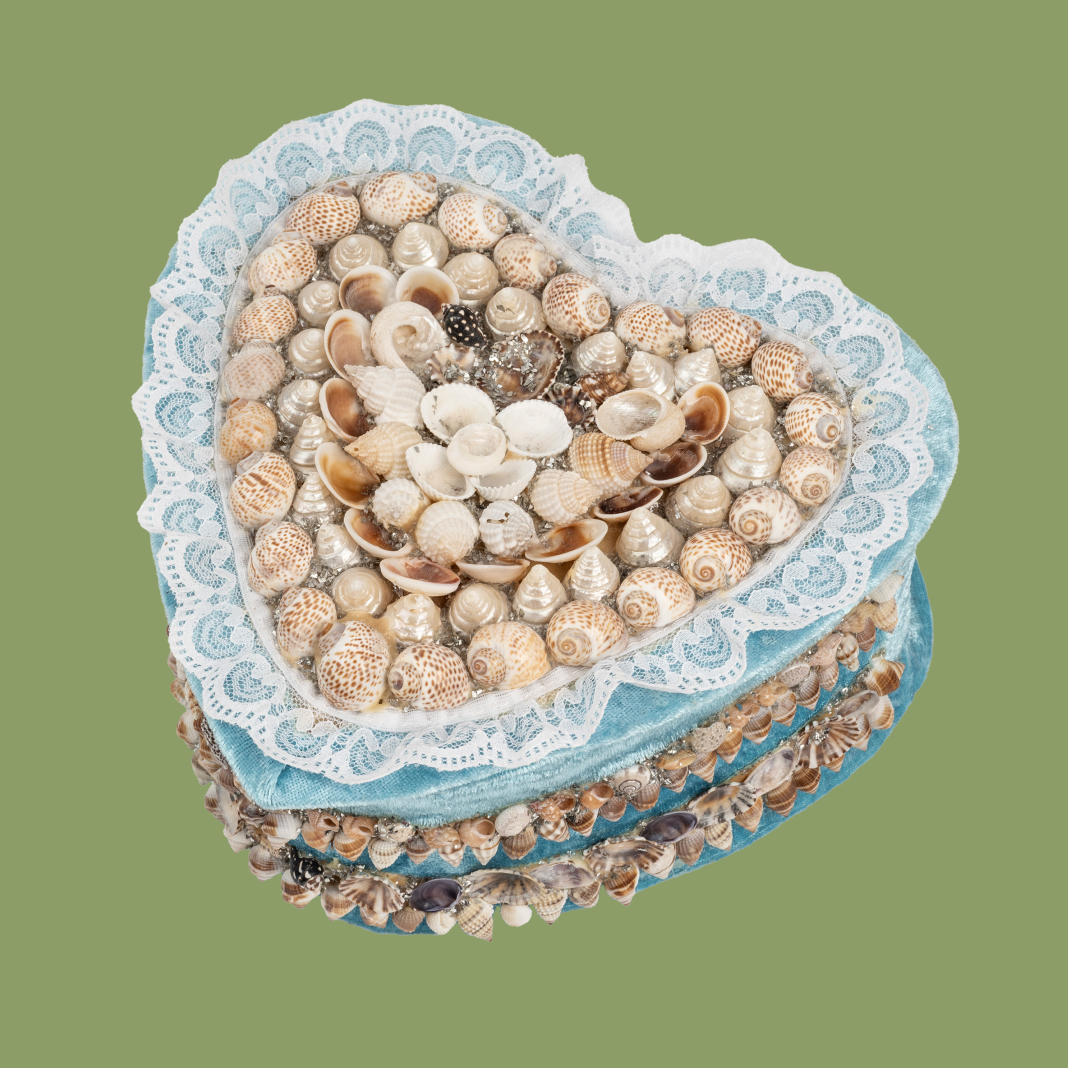
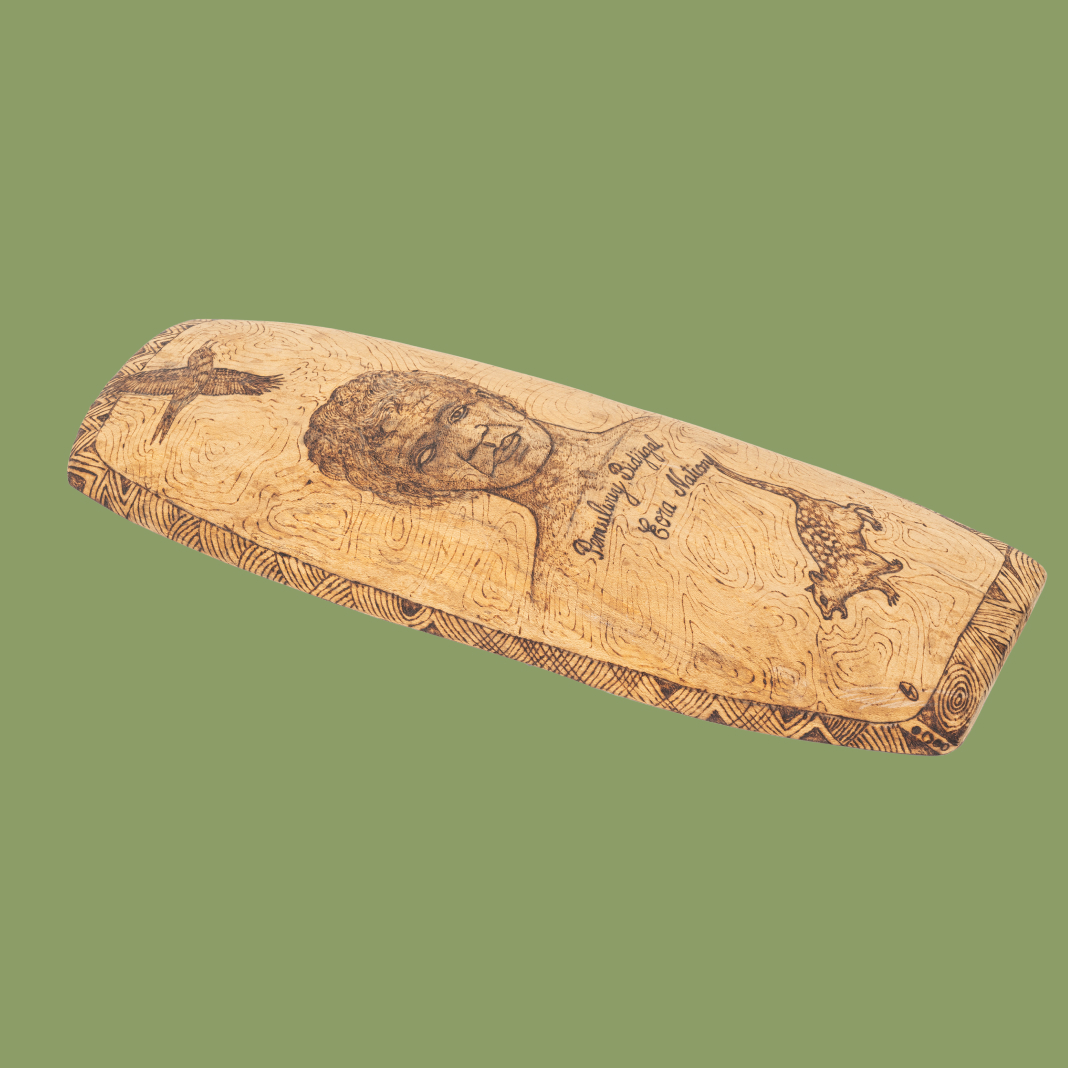
Recent acquisitions complement the Museum’s collection of cultural materials, including shellworks by Aunty Esme Timbery and Aunty Marilyn Russell, as well as boomerangs, shields and spear throwers carved and decorated by members from the Timbery and Simms families. Coinciding with the Museum’s 2025 reopening, three bark canoes were acquired: nawi (Dharawal) made by Steven Russell, Raymond Timbery, Robert Simpson and Hillary Stewart; Bermagui (Yuin) by Dean Kelly; and wuuyi (Dunghutti) by John Kelly. Together, these acquisitions reflect on the unbroken tradition of bark canoe making practice connected to Aboriginal communities along the Southeast of NSW and stand as a testament to an enduring connection to Sea Country.
Nearshore explores the identity of people and place.
Our collection exhibition Nearshore features cultural material that frames both First Nations, local community and French experiences of Gamay. It examines the role of the ocean and its spiritual, scientific, and ecological importance. It addresses La Perouse’s distinctive character of being at the end of things, on the outskirts, a place of unlikely encounters and combinations, carnivals and refuges, memorials, ceremonies and protests, marine sanctuary and industry, military complexes and beach recreation.
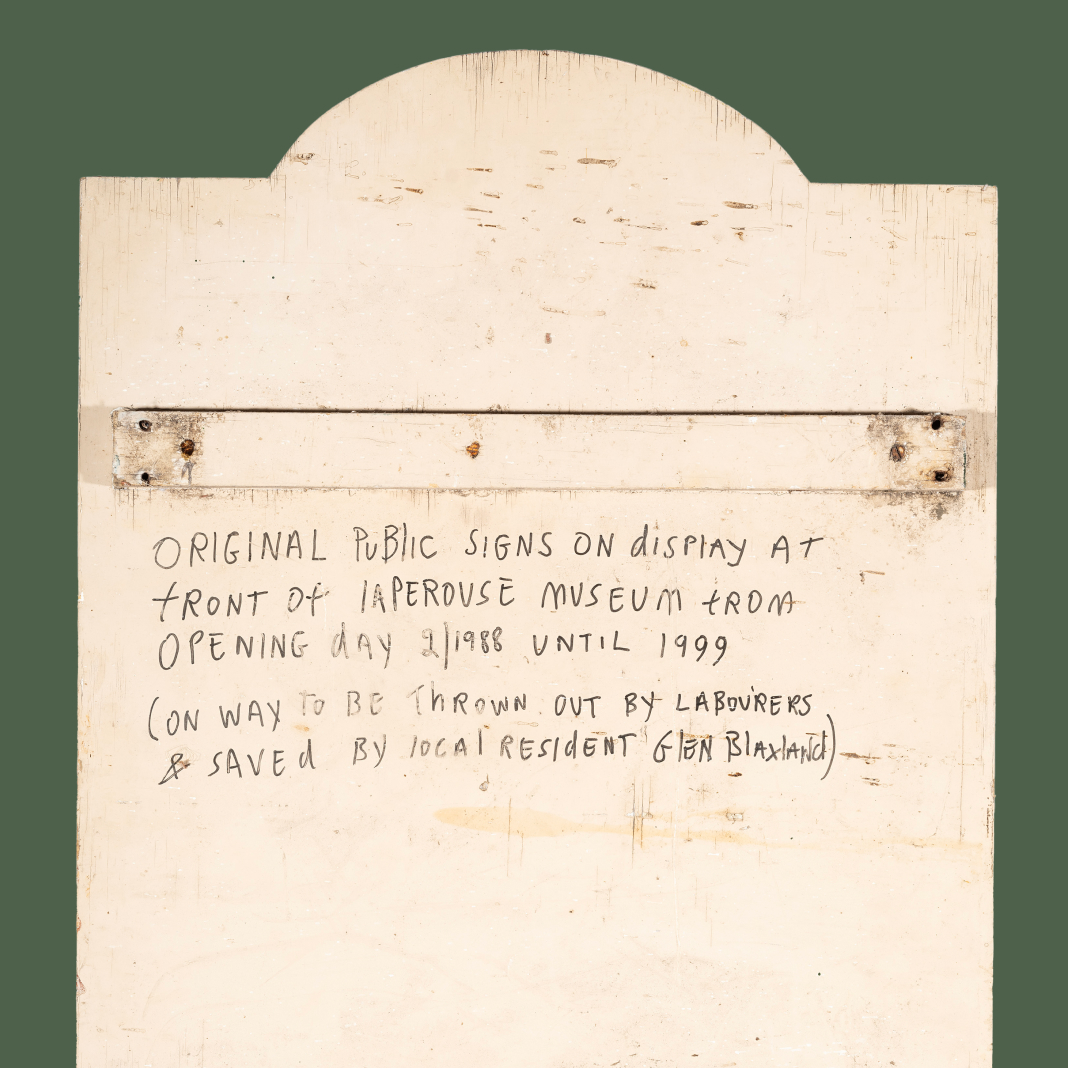 Near Shore Collection
Take a peek.
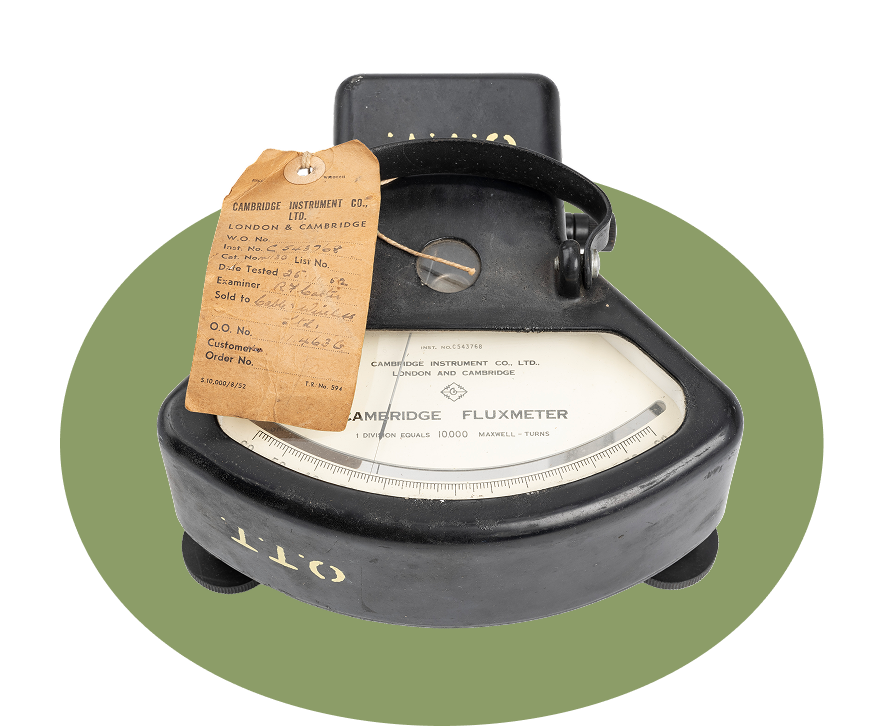
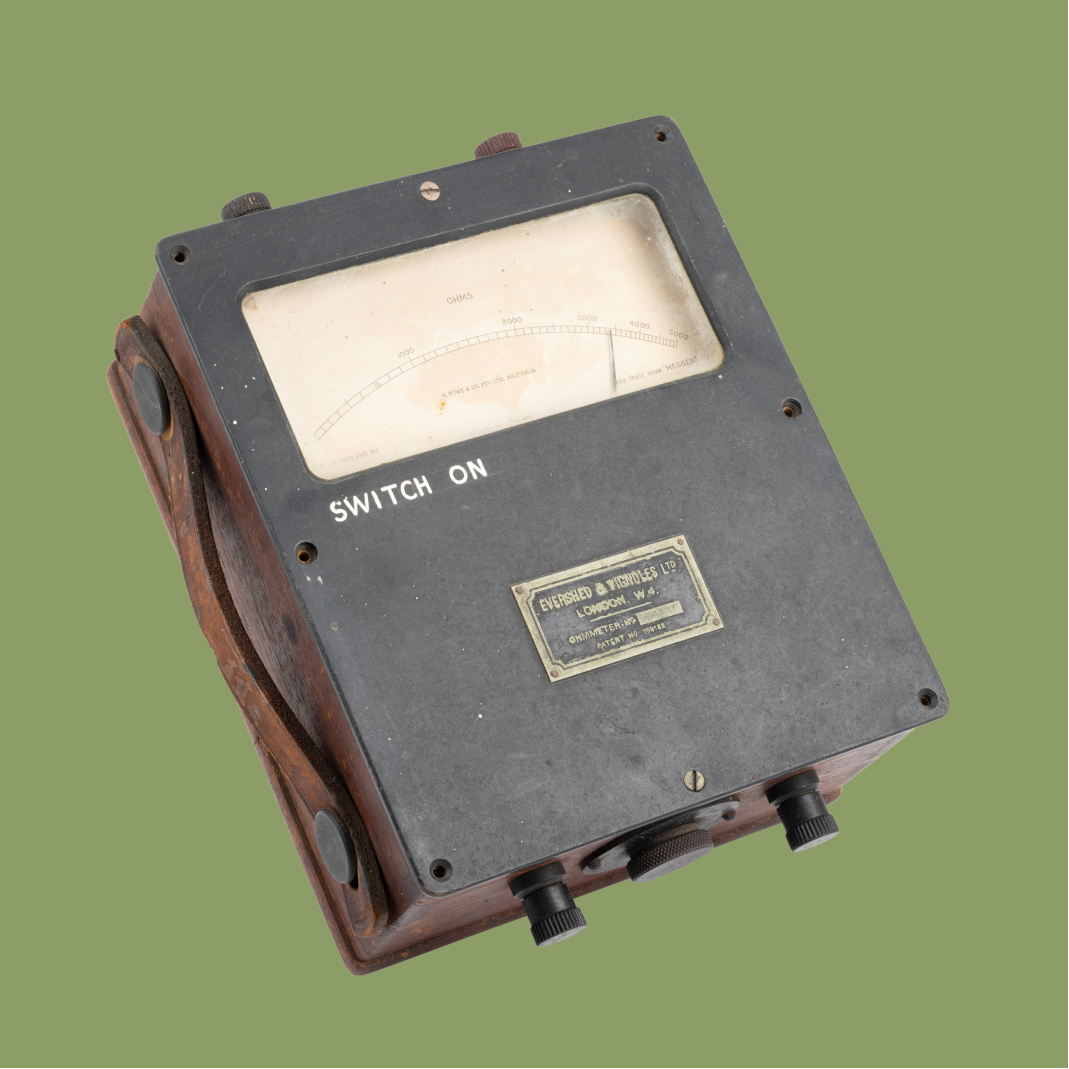
Cambridge Fluxmeter, No. C543768
Object No. 99.71
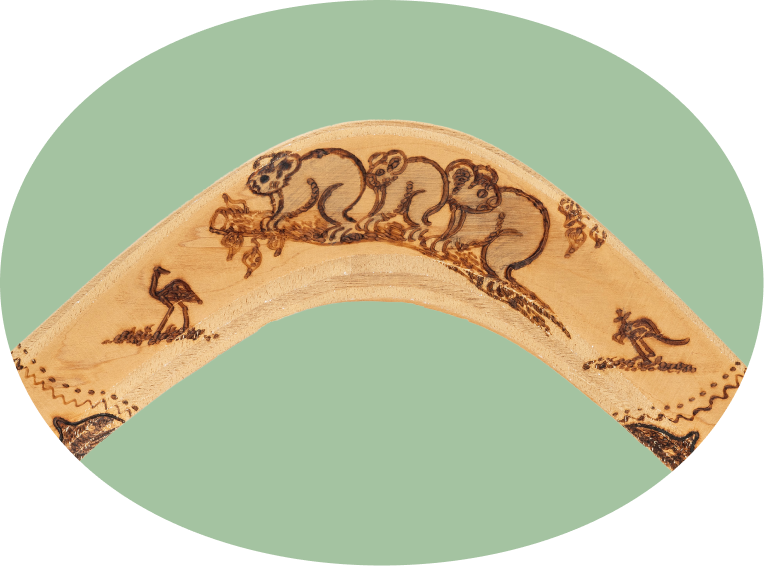
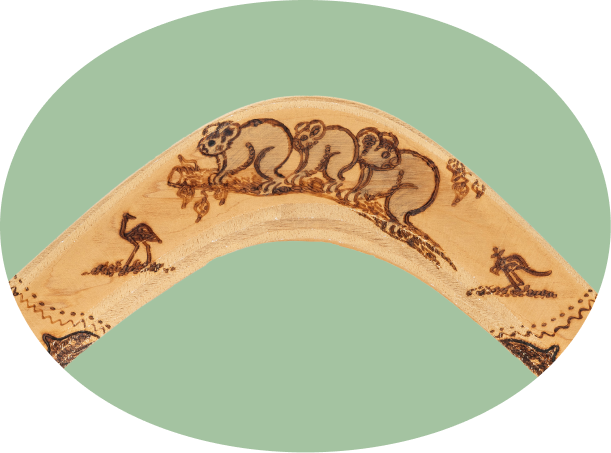
Boomerang, Uncle Laddie Timbery
Object No. 2023.8
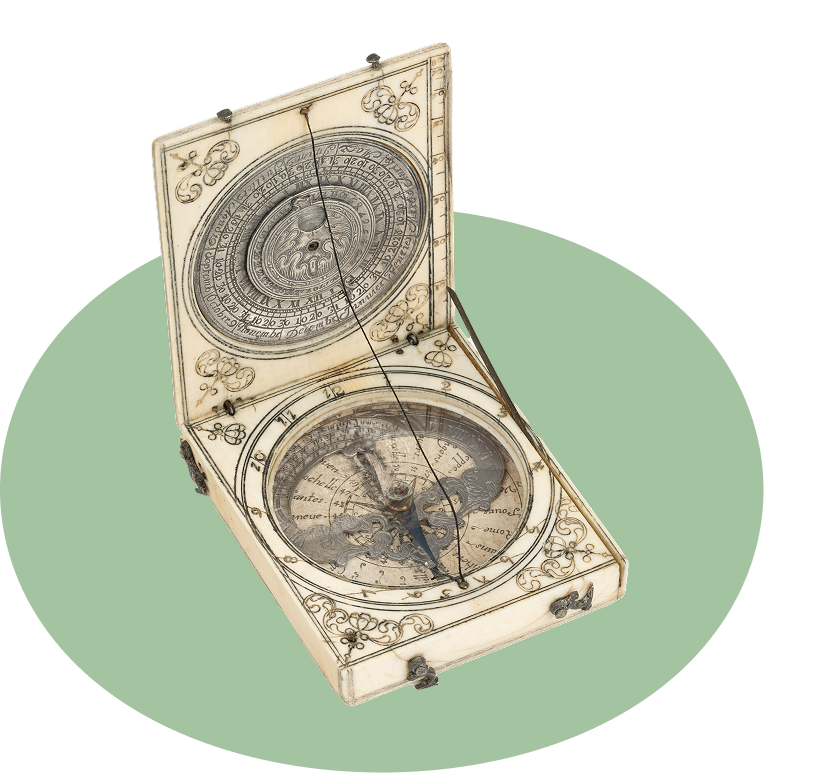
Dieppe sundial
Object No. 88.2
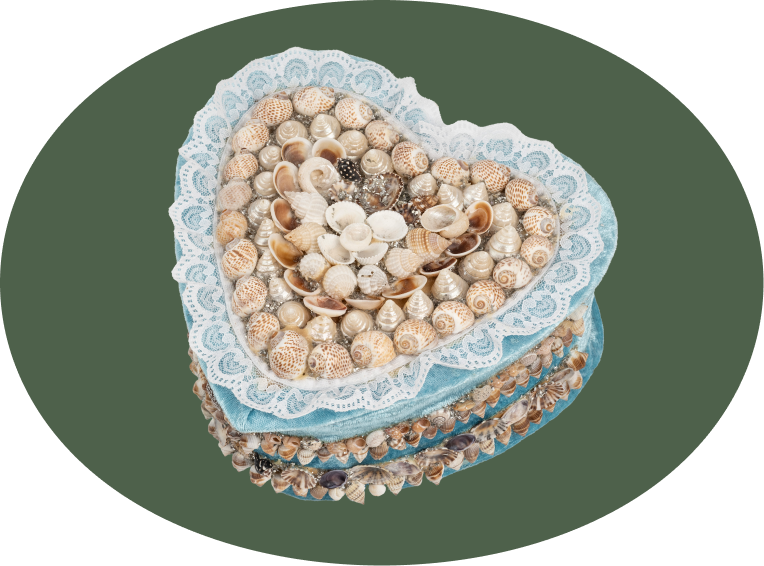
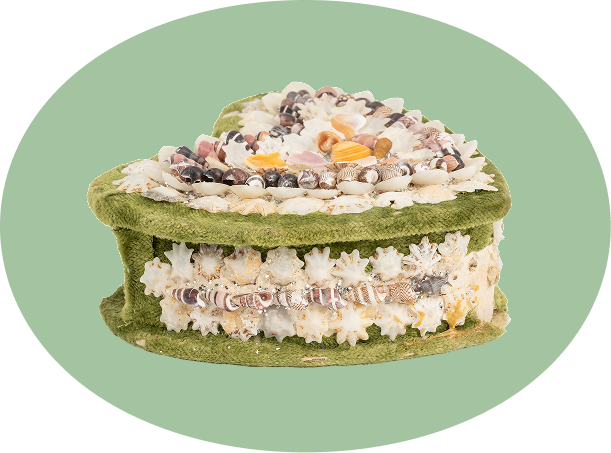
Shellwork trinket box, Aunty Esme Timbery
Object No. 2023.6
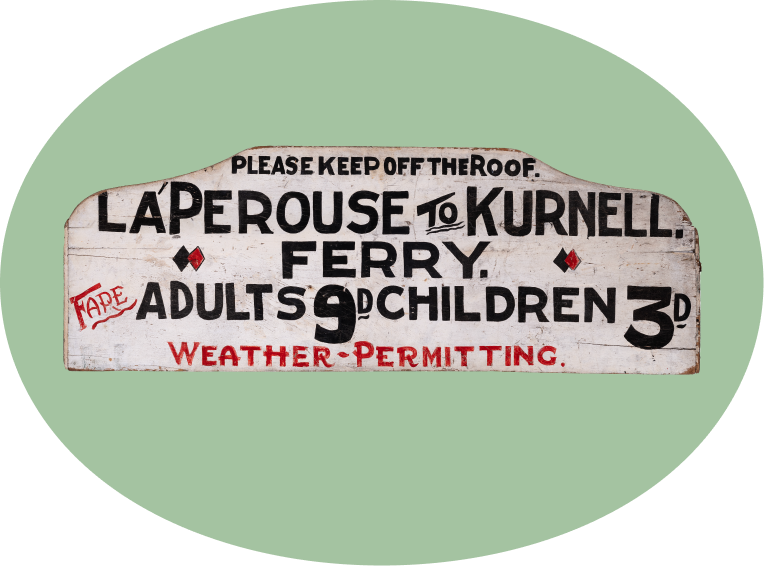
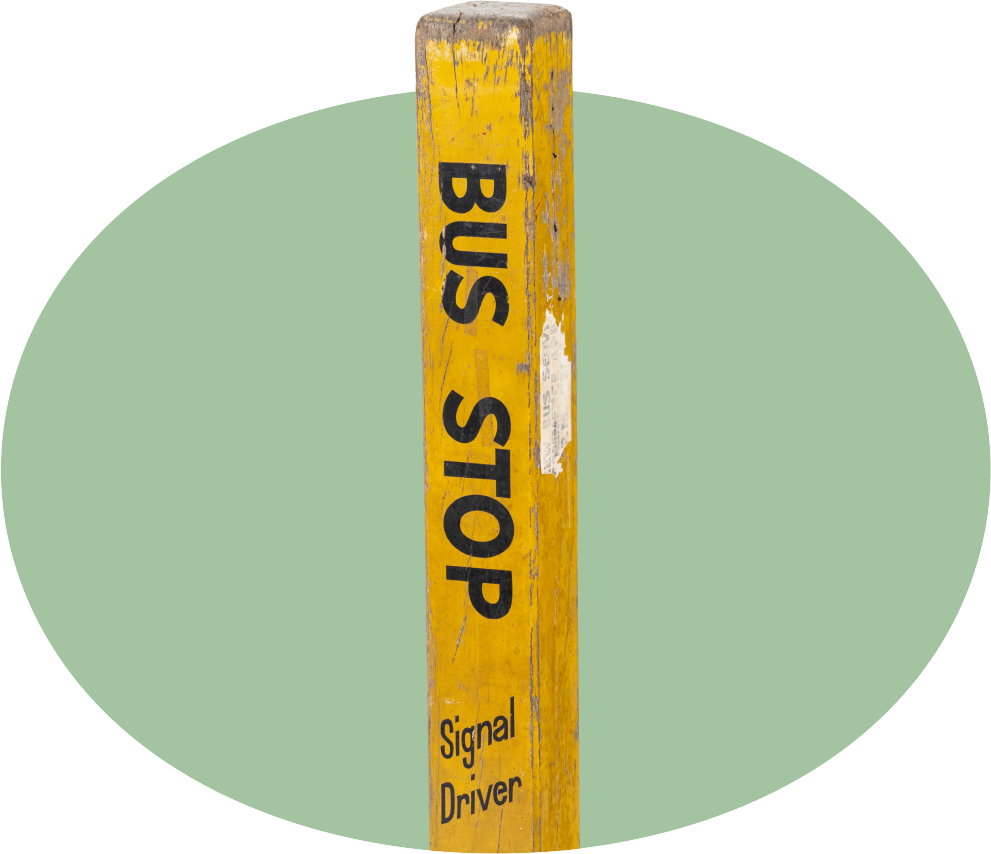
Sign, LaPerouse to Kurnell ferry
Object No. 99.168
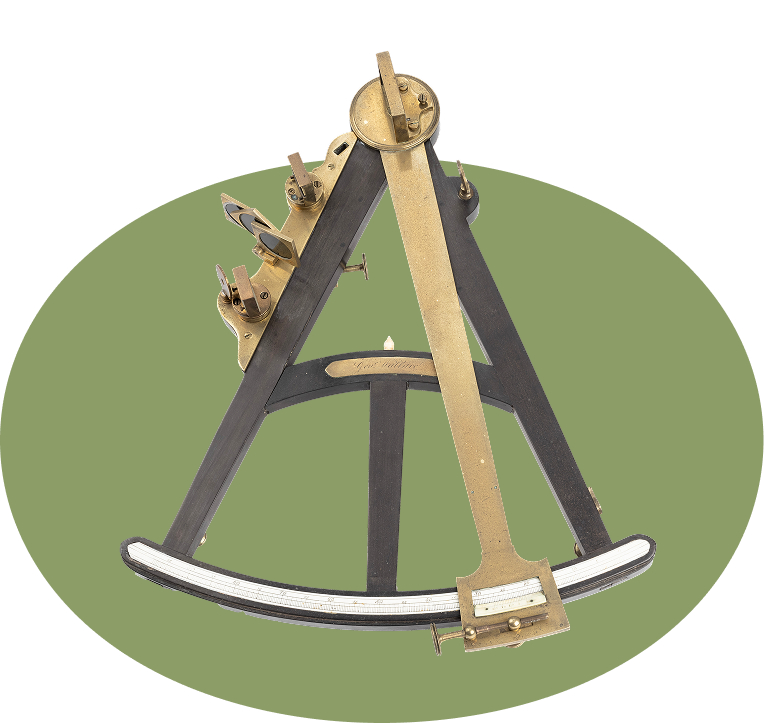
Brass octant, Geo Wallace
Object No. 88.1
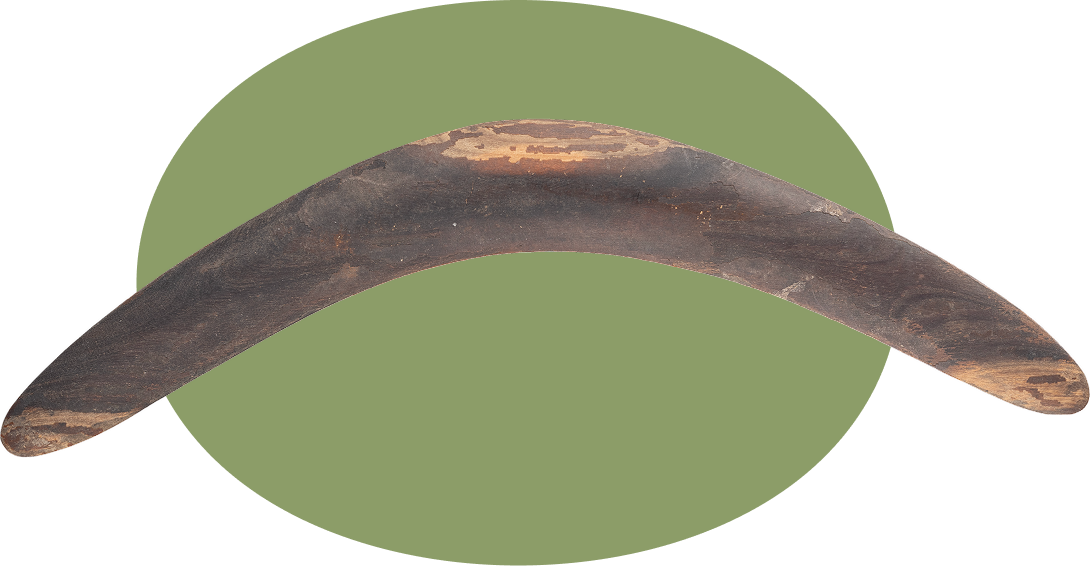
Boomerang, Uncle Joe Timbery
Object No. 2007.16
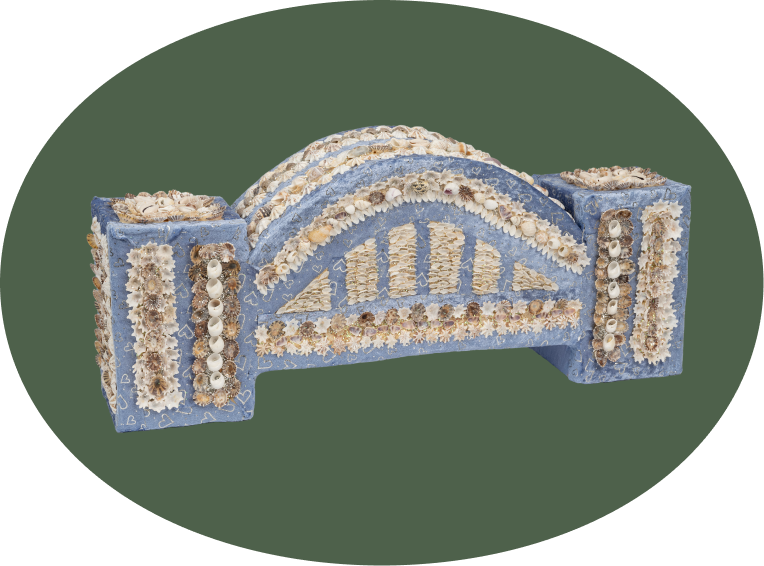
Shellwork Sydney Harbour Bridge, Aunty Esme Timbery
Object No. 2023.7
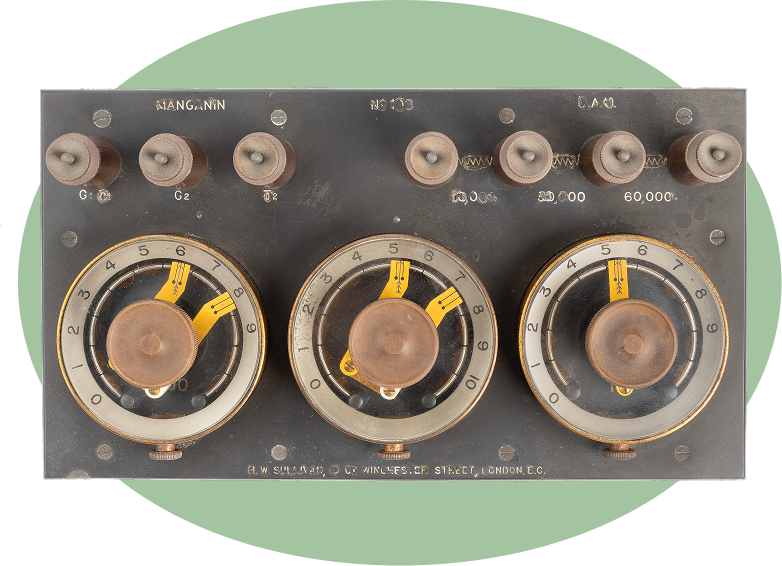
Triple-dial Ayrton Shunt, H W Sullivan
Object No. 99.85
Cambridge Fluxmeter, No. C543768
Object No. 99.71
Boomerang, Uncle Laddie Timbery
Object No. 2023.8
Dieppe sundial
Object No. 88.2
Shellwork trinket box, Aunty Esme Timbery
Object No. 2023.6
Sign, LaPerouse to Kurnell ferry
Object No. 99.168
Brass octant, Geo Wallace
Object No. 88.1
Boomerang, Uncle Joe Timbery
Object No. 2007.16
Shellwork Sydney Harbour Bridge, Aunty Esme Timbery
Object No. 2023.7
Triple-dial Ayrton Shunt, H W Sullivan
Object No. 99.85
Cambridge Fluxmeter, No. C543768
Object No. 99.71
Boomerang, Uncle Laddie Timbery
Object No. 2023.8
Dieppe sundial
Object No. 88.2
Shellwork trinket box, Aunty Esme Timbery
Object No. 2023.6
Sign, LaPerouse to Kurnell ferry
Object No. 99.168
Brass octant, Geo Wallace
Object No. 88.1
Boomerang, Uncle Joe Timbery
Object No. 2007.16
Shellwork Sydney Harbour Bridge, Aunty Esme Timbery
Object No. 2023.7
Triple-dial Ayrton Shunt, H W Sullivan
Object No. 99.85