This is Bidjigal land — a living headland shaped by many stories across generations, weaving together on Country.

Ice Age
During the last Ice Age, the coastline we know today didn't exist; sea levels were much lower, and La Perouse sat on an inland plain, the shoreline further east.
Source: A La Perouse Field Guide, Floorplan Studio

Radiocarbon Dating
Radiocarbon dating affirms continuous Aboriginal occupation of La Perouse headland. Oral histories suggest much longer..
Source: A La Perouse Field Guide, Floorplan Studio
Trade
The trade of stone tools signals flourishing cultural exchange between coastal and inland First Nations people.
Source: A La Perouse Field Guide, Floorplan Studio
Resistance
Gweagal men resist James Cook's landing at Gamay. Spears are taken, an early act of dispossession, now recognised as the first documented resistance to British invasion.
Source: A La Perouse Field Guide, Floorplan Studio
European Arrival
French explorer Lapérouse arrives at Frenchmans Bay days after the First Fleet, anchoring offshore for six weeks. Aboriginal people witness arrival of 2 foreign empires.
Source: A La Perouse Field Guide, Floorplan Studio
Disruption
Aboriginal life across the bay is disrupted by disease, colonial violence, and forced removals. By 1812, new colonial settlements are halted and Aboriginal camps continue in La Perouse.
Source: A La Perouse Field Guide, Floorplan Studio
Watchtower
A sandstone watchtower was built at La Perouse, later a customs house, school, and military lookout. It still stands today..
Source: A La Perouse Field Guide, Floorplan Studio
The Mission
The La Perouse Mission officially began when the government gazetted the area as a "Reserve for the use of Aborigines". Aboriginal families had already been living and gathering informally in the area before this.
Source: A La Perouse Field Guide, Floorplan Studio
Restriction
The Aborigines Protection Board fences the reserve and restrict movement and fishing rights. Despite this, residents fight to sustain their culutral practices.
Source: A La Perouse Field Guide, Floorplan Studio
Connection
A tramline connects La Perouse to Sydney City. Tourists flock to see shellworkers, boomerang throwers, and snake shows. This tourist economy sustained many Aboriginal families during hardship..
Source: A La Perouse Field Guide, Floorplan Studio
Activism
La Perouse activists, including Jack Patten, led Australia's first national Aboriginal civil-rights protest, the Day of Mourning, demanding justice and rights.
Source: A La Perouse Field Guide, Floorplan Studio
The Depression
The Depression -era shanty settlement known as 'Happy Valley' is cleared. Aboriginal families continue to dwell in nearby informal housing.
Source: A La Perouse Field Guide, Floorplan Studio
Referendum
National referendum recognises Aboriginal peoples, including La Perouse residents, as Australians.
Source: A La Perouse Field Guide, Floorplan Studio
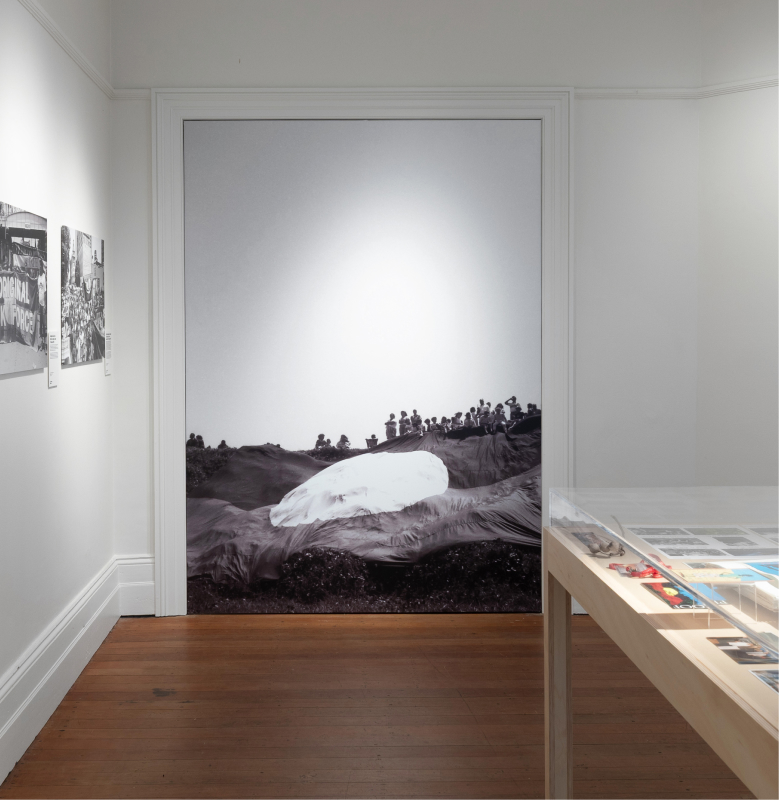
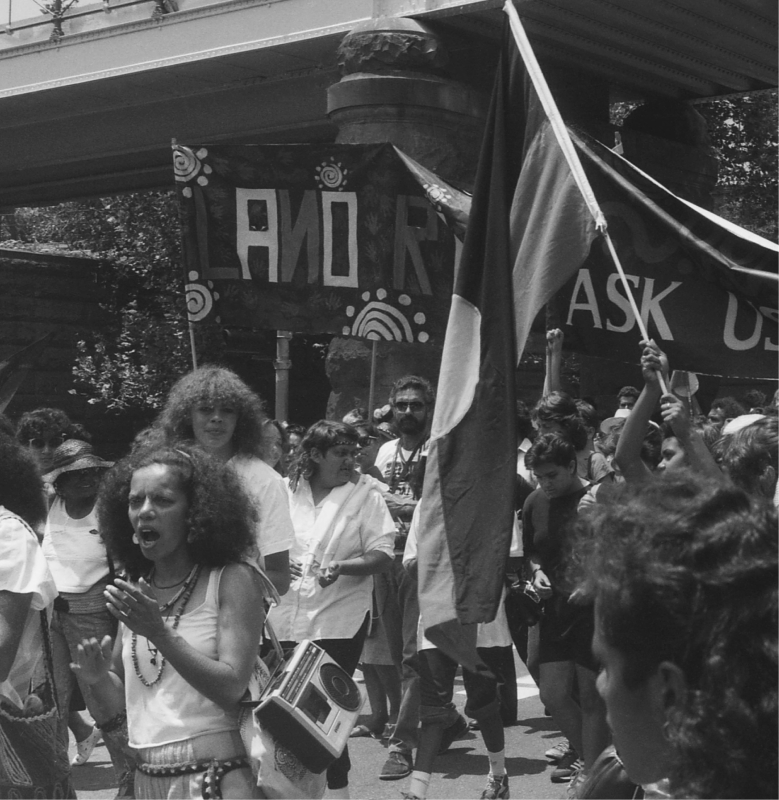
Bicentenary Protest
During the Cook Bicentenary, Aboriginal people in La Perouse held a protest and vigil. Their actions challenged the celebration of Captain Cook's arrival, highlighting the ongoing impacts of colonisation.
Source: A La Perouse Field Guide, Floorplan Studio
Rights
La Perouse Elders and young people organise for health, housing, education, and justice, and lead key movements for Land Rights, Sea Rights, and self-determination..
Source: A La Perouse Field Guide, Floorplan Studio
Land Back
Land title to the former reserve is transferred to the La Perouse Local Aboriginal Land Council - affirming Aboriginal ownership and sovereignty.
Source: A La Perouse Field Guide, Floorplan Studio
Repatriation
Over three hundred remains are repatriated to Country from museums, universities, and development sites. The La Perouse community continues to lead this work..
Source: A La Perouse Field Guide, Floorplan Studio
Gamay Rangers
Gamay Rangers established, NSW's only First Nations ranger team primarily caring for Sea Country.
Source: A La Perouse Field Guide, Floorplan Studio
Gweagal Spears
On 23 April, Four Gweagal spears taken by Cook's crew in 1770 are returned to the La Perouse community from Trinity College, Cambridge - closing a 254-year cycle.
Source: A La Perouse Field Guide, Floorplan Studio
Our First Nations Programs
LAPA Carvers
LA+ 002 | Woodland-Cooley + Snelgar presents a major exhibition of shields by Bidjigal artist Michael Woodland-Cooley and Ngemba artist Andrew Snelgar. For LA+ 002, Woodland-Cooley and Snelgar will produce a series of shields, burnt and carved with designs associated with Sea Country. Along with their series of shields, Woodland-Cooley, Snelgar and La Perouse Museum will facilitate a 10-month Shield Mentorship Project with a small group of Aboriginal men connected to La Perouse to produce an accompanying series of shields for display in LA+ 002.
Get in Touch
First Nations Project Space
The First Nations Project Space is an annual exhibition opportunity for 2 First Nations emerging artists. Successful applicants will be offered a professionally installed solo exhibition at La Perouse Museum alongside the First Nations Artistic Program, provided with artist fees up to $3,500.00 and support delivering public programs and workshops.
Recipients Announced
Elder in Residence
Our Elder-in-Residence program provides studio space for Elders to work on on independent creative projects with support from the La Perouse Museum. Elders in residence help support engagement, contribute to exhibitions, develop programs and assist to ensure the Museum’s work remains grounded in community-led perspectives.
Meet our current Resident
Oral Histories
Our Oral Histories Program records and preserves the living stories of the La Perouse Aboriginal community. Each year, the Museum commissions a professional oral historian to capture five in-depth oral histories with Elders, knowledge holders and community members. These recordings are then developed into digital outcomes to ensure community voices are shared, safeguarded and accessible for future generations.
Get in Touch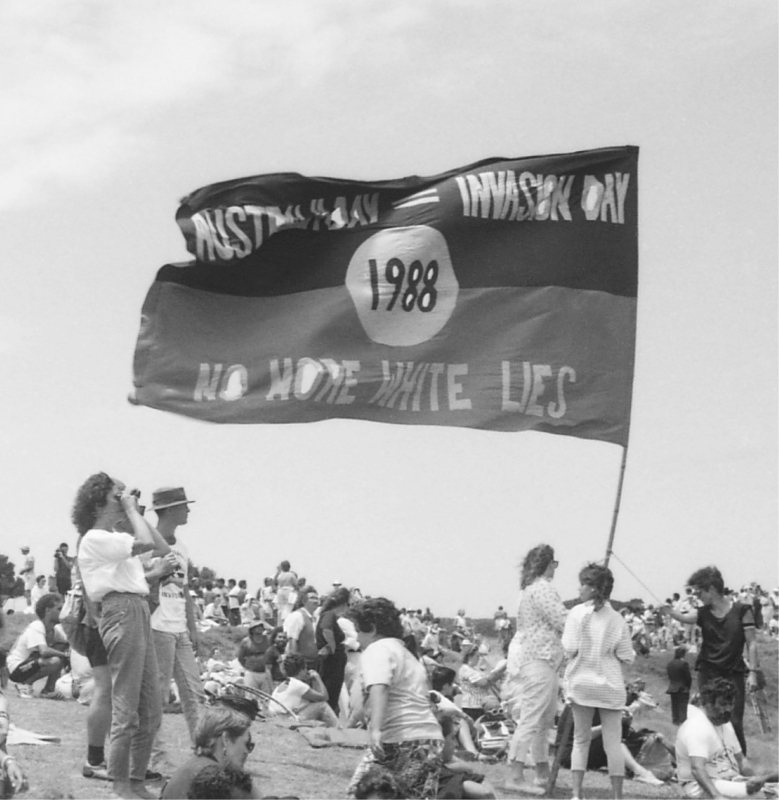
What’s on
At Lapa & beyond
-
Program
The Loop
10th October 2026 from 10:00AM - 5:30PM
La Perouse Museum
Free -
Exhibition
LA+ 002 | Woodland-Cooley + Snelgar
9th October 2026 - 14th February 2027
Level 1 Gallery
Free Entry -
Exhibition
LA+ 003 | Malima + Numbulwar Numburindi
9th October 2026 - 14th February 2027
Ground Floor, Community Galleries
Free Entry -
Exhibition
Horizon
9th October 2026 - 3rd January 2027
Level 1, First Nations Project Space
Free Entry