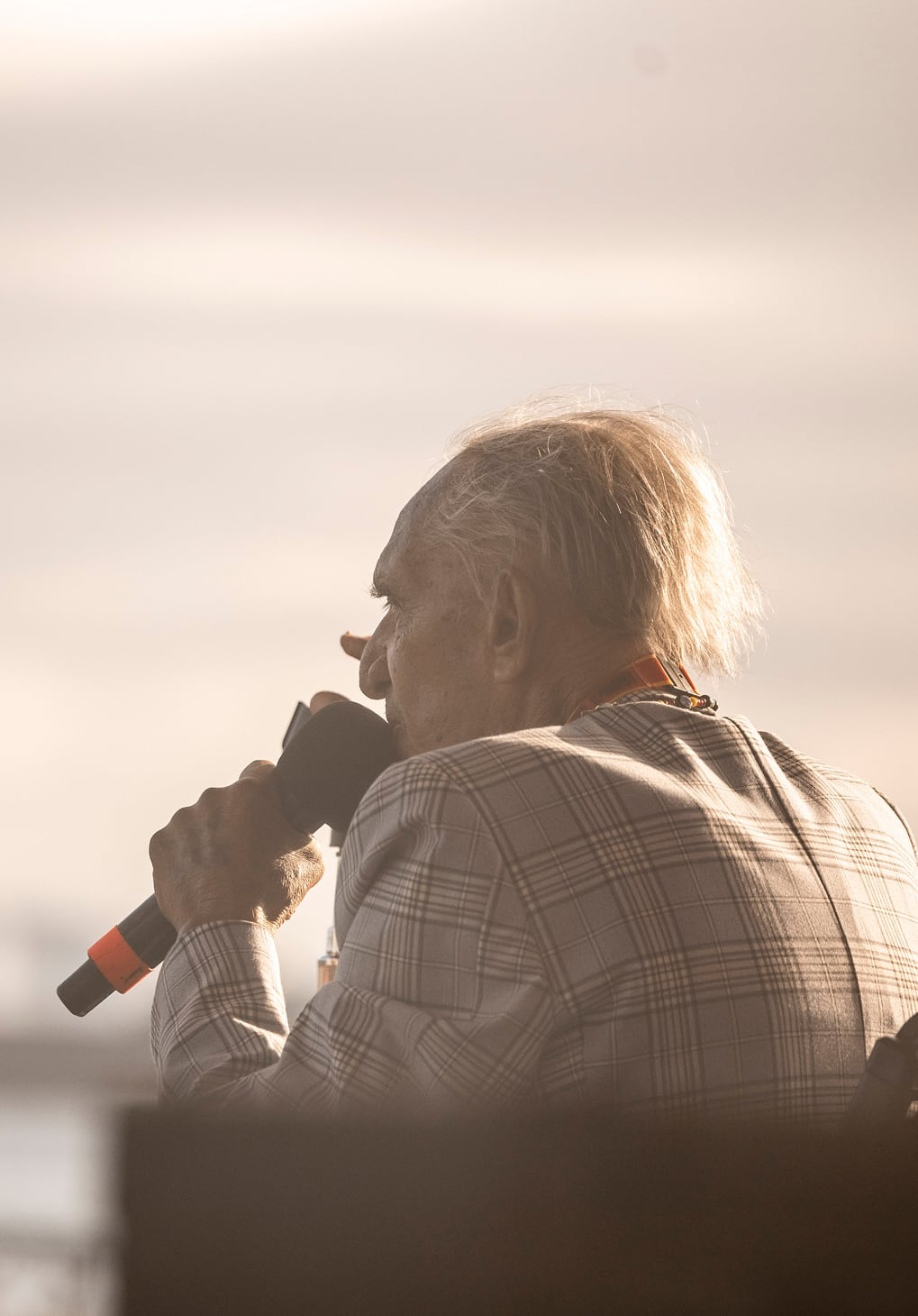
1988: The Long March for Justice, Hope & Freedom
Curated by Blake Griffiths
Everyday, temporary exhibition
Community Galleries
Free Entry
20 September 2025 - 22 February 2026
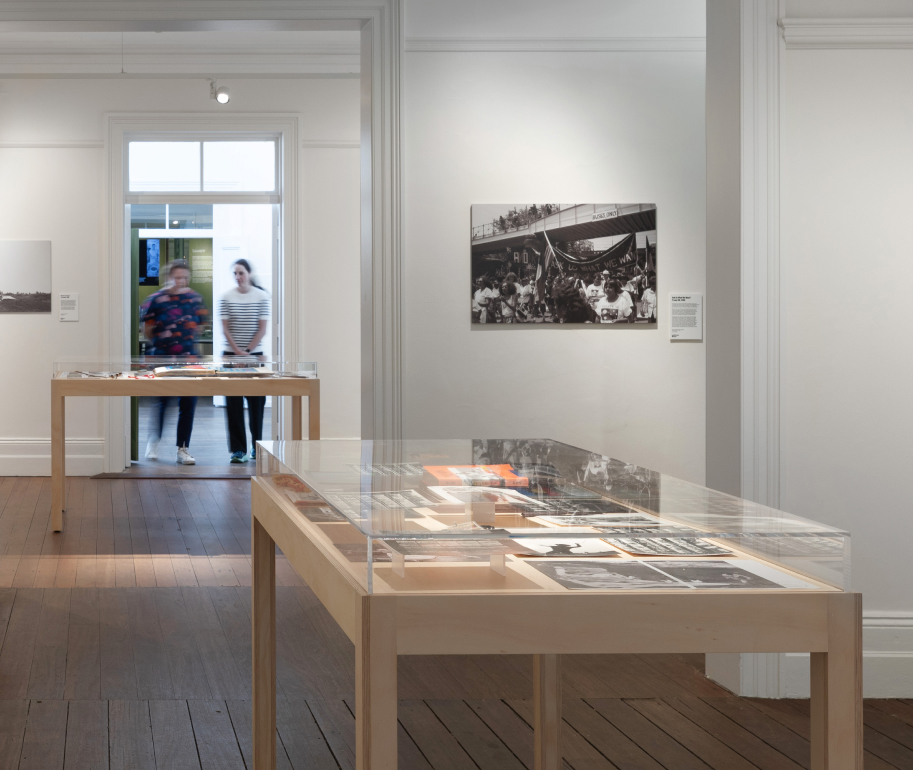
Peer into the archive of Juno Gemes who captured the 1988 Invasion Day protests that fought for First Nations justice, land rights, and freedom.
Juno Gemes is one of Australia's most respected documentary photographers, best known for her powerful images chronicling the lives, and resistance of First Nations peoples. Born in Hungary in 1944 and raised in Australia, Gemes has worked across photography, publishing, film, and performance, consistently focusing on social justice, human rights, and Indigenous sovereignty.
Over several decades, her camera has borne witness to key moments in Australian history - from the land rights and anti-nuclear movements to the historic 1988 Invasion Day protest. Her work has been widely exhibited nationally and internationally, and is held in major public collections including the National Gallery of Australia, the National Portrait Gallery, and the State Library of New South Wales.
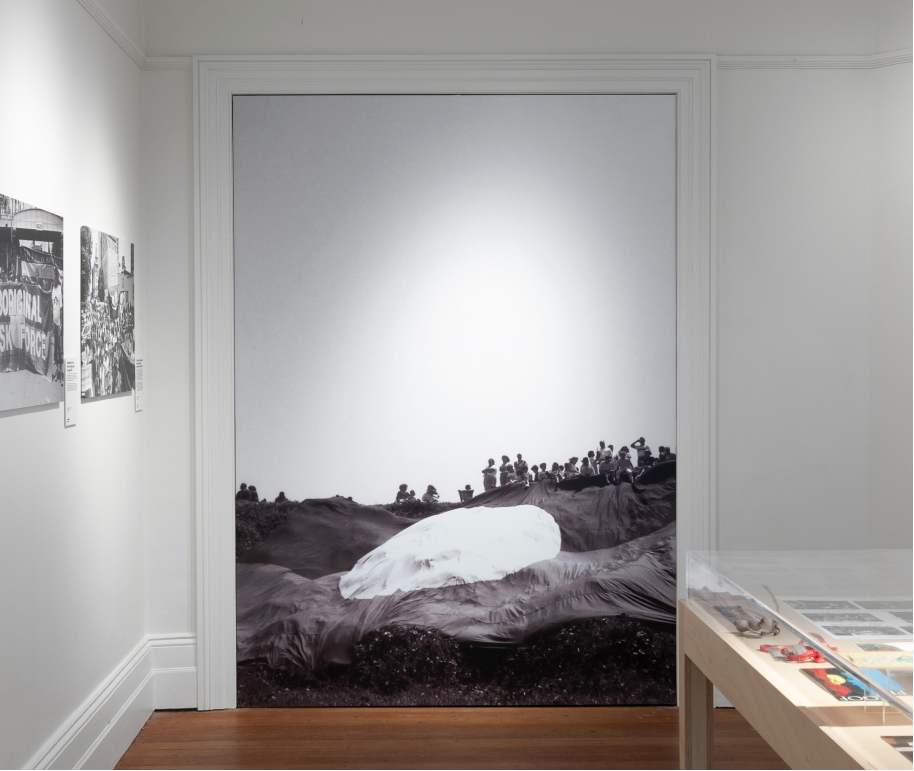
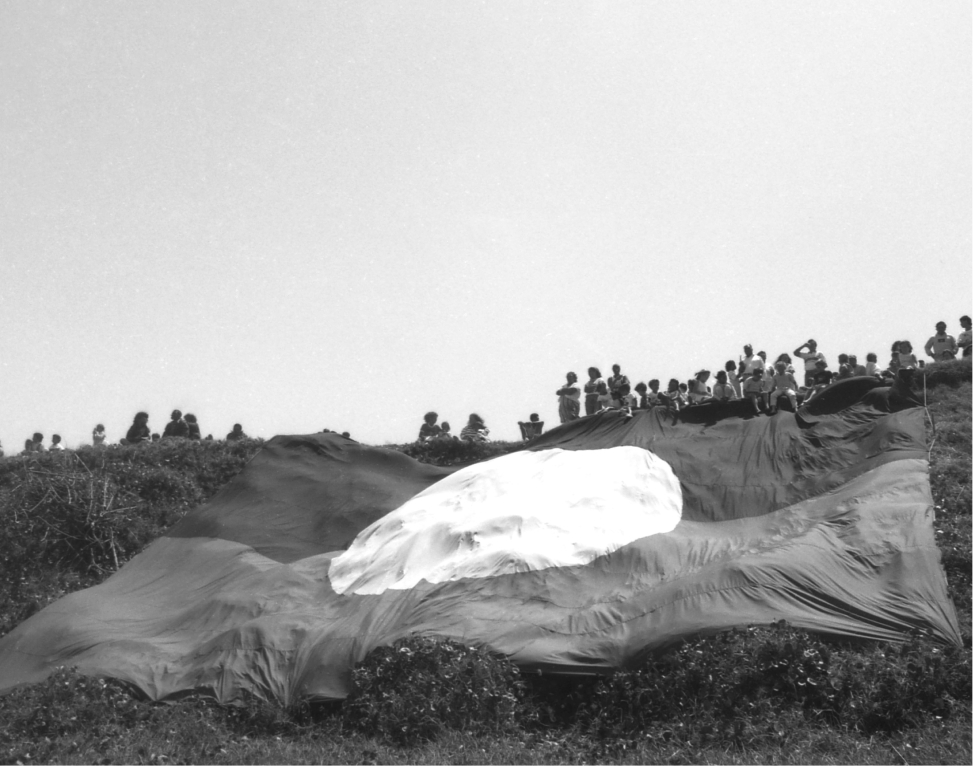
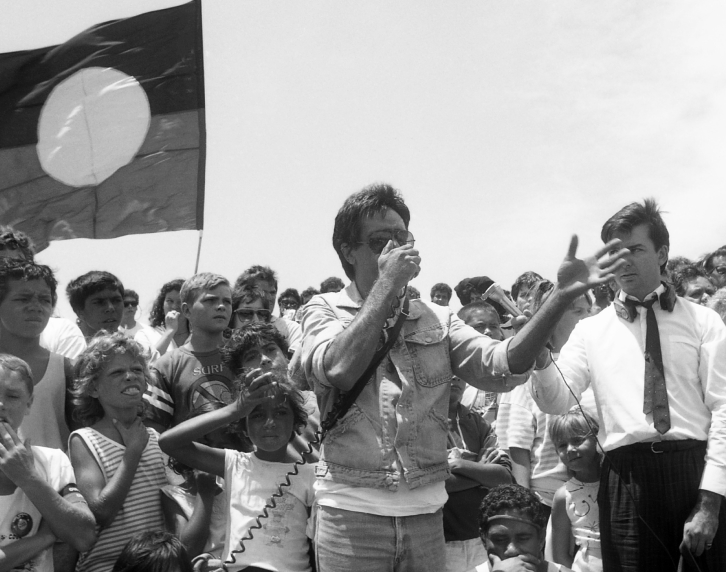
1988: The Long March for Justice, Hope & Freedom is a powerful exhibition of archival photographs by Juno Gemes, capturing the historic Invasion Day protests of January 26, 1988. On that day, more than 40,000 Aboriginal people and allies marched through Sydney in the largest protest the city had seen since the Vietnam moratorium, demanding land rights, justice, and recognition.
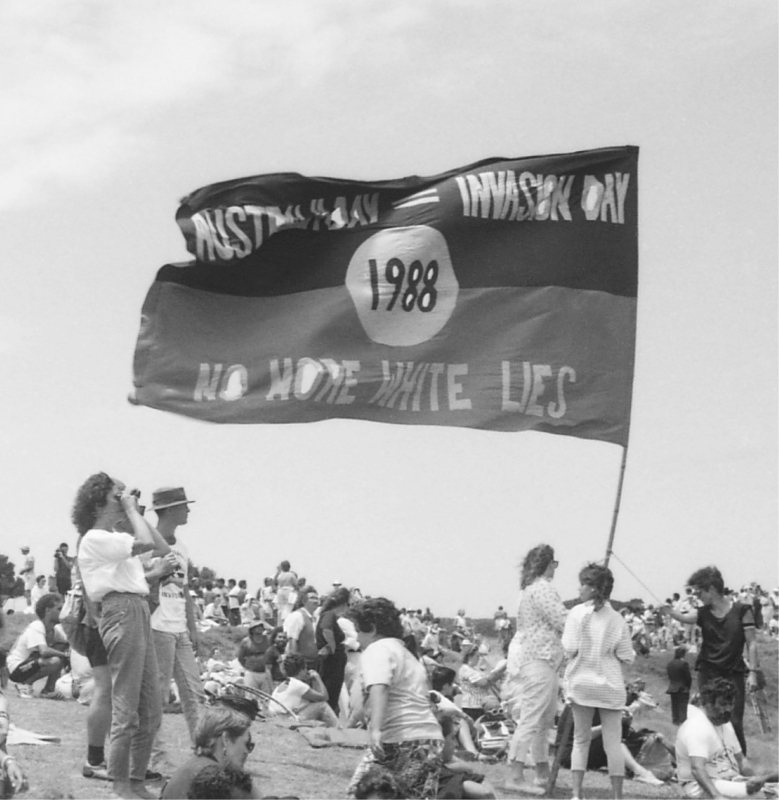
Through Gemes’ lens, this collection reveals the strength, unity, and unyielding spirit of First Nations communities in the face of ongoing colonisation. Her images bear witness to a pivotal moment in Australian history, where protest became both an act of defiance and a call for truth.
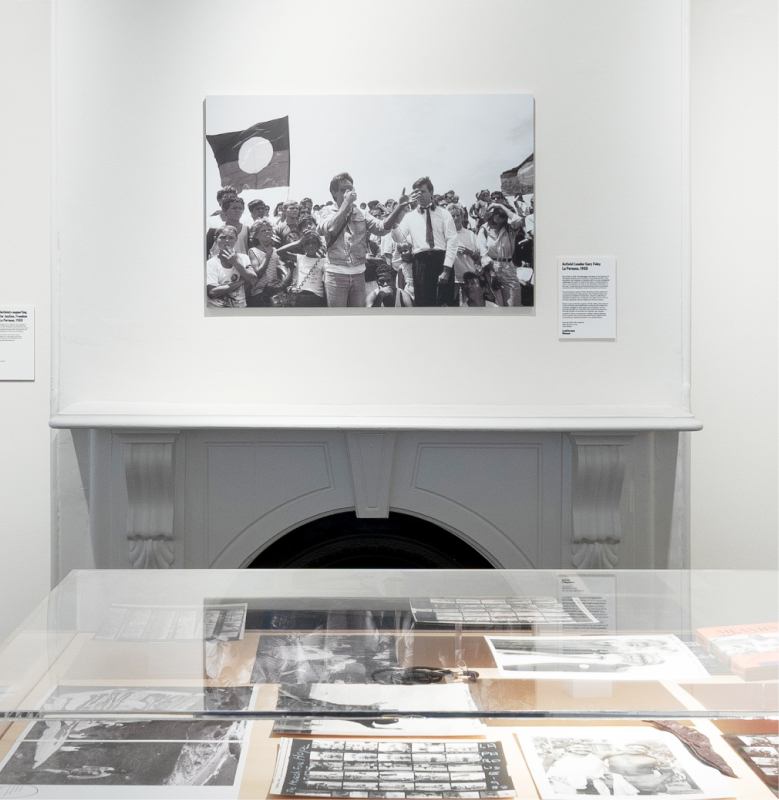
Celebrating Gemes’ lifelong commitment to social justice and truth-telling, 1988: The Long March for Justice, Hope & Freedom affirms the vital role of documentary photography in amplifying the voices of the First Nations land rights movement.
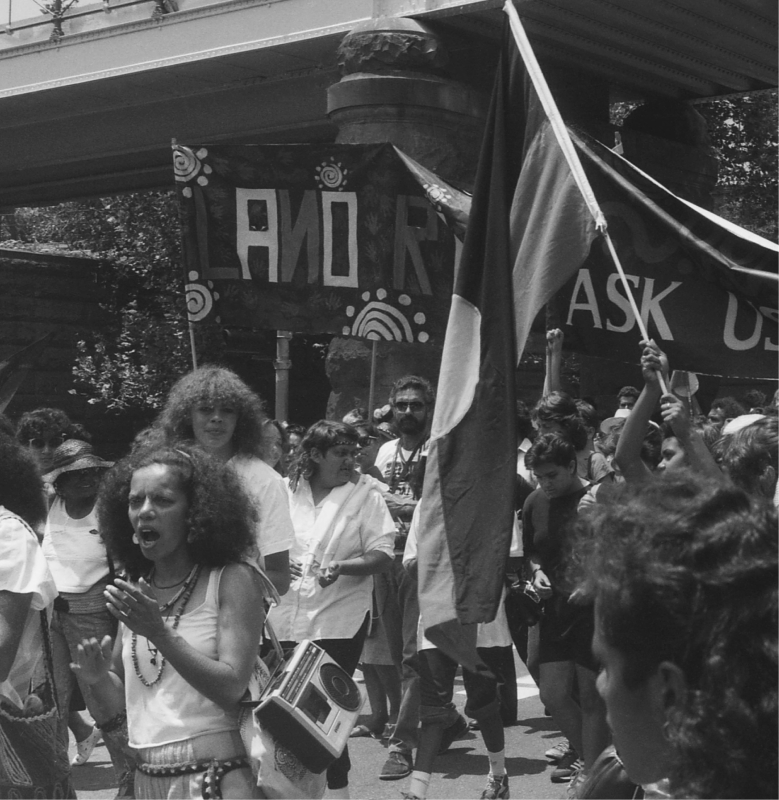
Outside you’ll find
Here, stories meet and culture continues. LaPa sits atop a living headland, on Country that belongs to the Aboriginal people of Botany Bay.
Learn more